
Branding vs. Performance Marketing: When to Focus on Each
Understanding the Balance Between Branding and Performance Marketing
In today’s fast-paced digital landscape, every business faces one critical question: should we invest more in branding or performance marketing? The answer isn’t simple, because both play crucial but distinct roles in driving long-term success. Branding builds trust, recognition, and loyalty, while performance marketing delivers measurable results, quick conversions, and direct ROI. To create a winning marketing strategy, you need to understand how these two work together and when to focus on each.
What Is Branding in Digital Marketing?
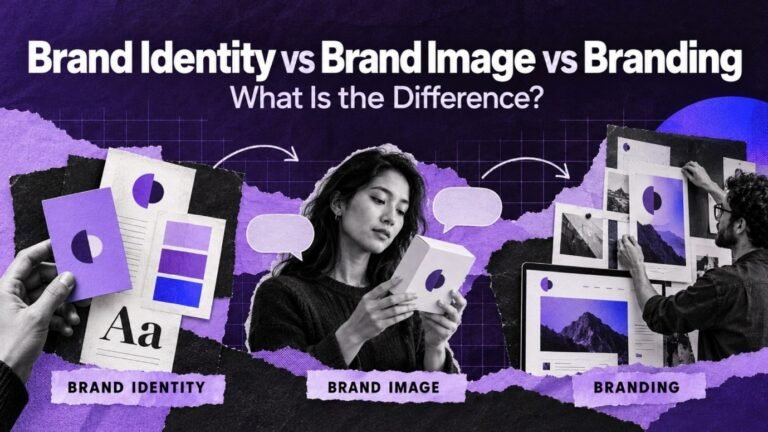
Branding is all about perception—it’s how people see, feel, and remember your business. A strong brand defines your company’s personality, values, and mission. It creates emotional connections that influence customer decisions. Branding is not limited to your logo or color palette; it includes your tone of voice, storytelling, customer experience, and consistency across all platforms. For example, Apple doesn’t just sell devices; it sells innovation, simplicity, and lifestyle. That’s the power of effective branding—it makes you unforgettable.
In digital marketing, branding shows up in content creation, social media storytelling, design language, and customer engagement. It builds awareness that keeps your business top of mind even before someone is ready to buy.
What Is Performance Marketing?
Performance marketing, on the other hand, is about measurable results. It focuses on campaigns that drive specific actions such as clicks, leads, or sales. This approach includes PPC (pay-per-click) advertising, social media ads, affiliate marketing, retargeting, and influencer collaborations. Every rupee spent can be tracked, analyzed, and optimized for better performance.
Platforms like Google Ads, Meta Ads, and LinkedIn Campaign Manager allow marketers to target precise audiences and measure metrics like cost per acquisition (CPA) or return on ad spend (ROAS). Performance marketing offers immediate visibility and is perfect for achieving short-term goals like lead generation, app installs, or e-commerce sales.
How Branding and Performance Marketing Complement Each Other
While branding focuses on long-term trust, performance marketing drives short-term conversions. One creates emotional equity, while the other creates financial returns. Businesses often make the mistake of choosing one over the other, but real growth comes from aligning both.
Think of branding as planting a tree and performance marketing as watering it. Branding lays the foundation, while performance efforts keep it growing. When people recognize and trust your brand, your paid ads perform better, click-through rates increase, and acquisition costs go down. Strong branding amplifies the effectiveness of your performance marketing campaigns.
When to Focus on Branding
Branding should be your priority if your business is in its early stages or entering a new market. You need to establish credibility and differentiate yourself from competitors. It’s also essential when launching new products or repositioning your company.
Focus on branding when:
- You want to build awareness and trust before driving conversions.
- You’re entering a crowded or competitive industry.
- You aim to create emotional engagement with your audience.
- Your goal is long-term customer retention rather than quick sales.
Branding efforts often include social media storytelling, influencer partnerships, video campaigns, and thought leadership content. Although results take time, strong branding increases customer lifetime value (CLV) and turns casual buyers into loyal advocates.
When to Focus on Performance Marketing
Performance marketing takes the lead when your goal is to drive immediate results. This could be during product launches, holiday sales, or when testing new markets. Because it’s data-driven, you can track conversions, analyze performance, and tweak campaigns in real-time.
Focus on performance marketing when:
- You need quick leads or sales.
- You have a limited marketing budget and need measurable ROI.
- You’re testing a new product or service.
- You want to scale your campaigns using precise audience targeting.
Channels like Google Ads, Meta Ads, YouTube pre-rolls, and influencer collaborations are ideal for short-term, conversion-driven campaigns. The beauty of performance marketing lies in its flexibility—you can pause, scale, or optimize campaigns instantly based on data insights.
How to Combine Branding and Performance Marketing for Maximum Impact
The smartest marketers know that the future of digital success lies in blending both approaches. You can’t rely only on branding without driving conversions, and you can’t depend solely on performance campaigns without building long-term trust.
Here’s how to integrate them effectively:
- Use branding to enhance ad performance: Consumers are more likely to click on ads from brands they recognize.
- Leverage storytelling in paid campaigns: Add emotion and authenticity to your performance ads.
- Retarget your brand audience: People who have engaged with your brand content are more likely to convert later.
- Measure brand lift alongside conversions: Track awareness metrics like reach and engagement in addition to direct ROI.
For example, a digital marketing agency like Visionary Cue can create an integrated funnel—branding through social storytelling and content marketing, followed by performance campaigns that convert that awareness into leads.
Measuring Success in Both Approaches
Success looks different for branding and performance marketing. Branding metrics include brand recall, engagement rate, share of voice, and customer loyalty, while performance metrics focus on clicks, conversions, ROI, and cost per lead (CPL).
Using tools like Google Analytics, Meta Insights, and Brandwatch, you can monitor both types of impact. Over time, businesses with strong branding see improved conversion rates and reduced ad costs because consumers already trust their brand.
Common Mistakes Businesses Make
Many startups in India and globally struggle because they either spend too much on ads without a brand story or invest only in branding without measuring impact. The key is to maintain balance. Avoid the following mistakes:
- Ignoring brand identity while running ads.
- Expecting branding to deliver instant results.
- Failing to allocate separate budgets for brand and performance campaigns.
- Using inconsistent messages across different platforms.
The Future of Branding and Performance Marketing
In 2025 and beyond, digital marketing will be driven by personalization, AI, and storytelling. Consumers want brands that align with their values while offering tangible benefits. The future belongs to businesses that can combine data-driven decision-making with human connection.
AI-powered tools now help marketers predict user behavior, personalize messages, and measure brand sentiment in real time. Visionary Cue, for example, can use data analytics to track how brand perception directly influences campaign performance, helping clients make smarter marketing decisions.
Final Thoughts: Choose Strategy Over Sides
Branding and performance marketing are not rivals—they are partners in your growth story. Branding builds the emotional foundation that performance marketing capitalizes on. When you invest in both, you’re not just selling a product—you’re building a relationship.
In 2025, successful brands will be those that master the art of blending creativity with data, emotion with analytics, and trust with measurable outcomes. Whether you’re a startup or an established company, remember this: performance marketing brings customers to your brand, but branding keeps them there.