
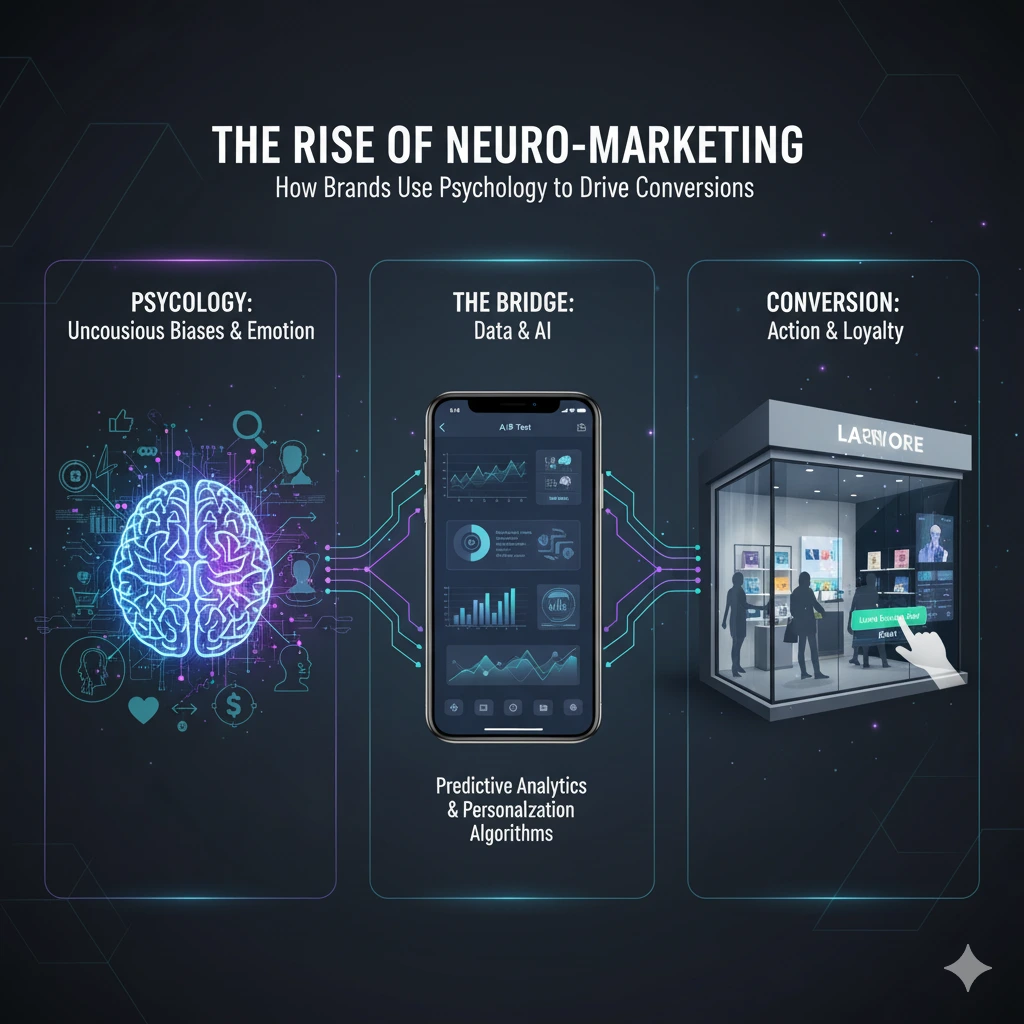
The Rise of Neuro-Marketing: How Brands Use Psychology to Drive Conversions
In today’s hyper-digital world, brands are no longer just selling products—they’re selling experiences, emotions, and connections. The secret behind this transformation lies in neuro-marketing, a cutting-edge approach that blends neuroscience, psychology, and marketing analytics to understand how consumers think, feel, and make buying decisions. As businesses compete for attention in a saturated marketplace, the use of neuro-marketing is becoming one of the most powerful tools for driving conversions and boosting customer engagement.
What Is Neuro-Marketing?
Neuro-marketing is the science of studying how the brain responds to marketing stimuli. It combines brain-imaging technology, behavioral psychology, and data-driven insights to analyze how people react to ads, logos, packaging, and content. By understanding what triggers emotional responses, marketers can design campaigns that resonate on a subconscious level.
Instead of relying on traditional surveys or focus groups, neuro-marketing measures real-time physiological responses such as eye movement, heart rate, facial expressions, and brain activity. This allows brands to uncover what truly motivates consumer decisions—beyond what they say they want.
The Psychology Behind Consumer Behavior
Every purchase begins in the brain. Studies show that 95% of buying decisions occur in the subconscious mind. Consumers may believe they are making logical choices, but emotions drive most decisions. Neuro-marketing taps into this by understanding psychological principles like the reward system, fear of missing out (FOMO), and cognitive biases that shape perception and influence behavior.
For example, the scarcity effect makes limited-time offers irresistible, while social proof—such as customer reviews and influencer endorsements—triggers trust and validation. By strategically applying these principles, brands can craft persuasive messages that align with human instincts and emotions.
How Brands Are Using Neuro-Marketing Today
Top brands are leveraging neuro-marketing to refine everything from product packaging to digital ad placement. Coca-Cola, for instance, has long studied how its iconic red color stimulates feelings of excitement and happiness. Apple designs minimalist visuals that evoke calm and sophistication, aligning with the brand’s “think different” philosophy.
In digital marketing, companies use tools like EEG (electroencephalography) and eye-tracking technology to analyze how users interact with ads and websites. Eye-tracking reveals where attention is focused, helping marketers optimize layouts, headlines, and call-to-action buttons for maximum engagement.
Meanwhile, emotion AI—a trending technology in 2025—uses facial recognition to gauge emotional reactions in real-time. This allows brands to adjust campaigns dynamically based on consumer sentiment. As personalization becomes the norm, these insights help create targeted experiences that convert leads into loyal customers.
The Role of Storytelling in Neuro-Marketing
Humans are wired for stories. Neuro-marketing research shows that storytelling activates multiple parts of the brain, including regions responsible for emotion, empathy, and memory. When a brand tells a compelling story, it doesn’t just share information—it creates an emotional connection that fosters trust and recall.
Successful brands use emotional storytelling to align their values with their audience’s aspirations. Consider Nike’s “Just Do It” campaigns—they don’t sell shoes; they sell empowerment, resilience, and motivation. Similarly, Airbnb uses storytelling to promote belonging, making users feel part of a global community rather than just customers booking a stay.
By combining narrative psychology with data-driven insights, marketers can craft brand stories that move people to take action.
Neuromarketing in Digital Advertising
In the digital era, neuro-marketing plays a crucial role in optimizing ad performance and website design. With tools like heatmaps and A/B testing, marketers can identify which visuals and text placements attract the most attention. Color psychology is also vital—warm colors like red and orange create urgency, while blue tones inspire trust and calmness.
Neuro-marketing principles also enhance UX (user experience) and CRO (conversion rate optimization) strategies. Websites that load quickly, use emotional triggers, and have clear navigation reduce cognitive load, making it easier for users to take desired actions such as subscribing or purchasing.
With AI-powered personalization, brands can now tailor digital experiences based on users’ behavior and preferences, delivering emotionally resonant content at the right moment.
The Ethical Side of Neuro-Marketing
As powerful as neuro-marketing is, it raises ethical concerns. Critics argue that manipulating emotions could cross the line between persuasion and exploitation. Transparency is key—brands must ensure they use neuro-marketing responsibly to enhance user experience, not deceive consumers.
Ethical neuro-marketing prioritizes authenticity, emotional well-being, and informed consent. When used correctly, it helps brands create value-driven connections rather than exploiting vulnerabilities. Consumers appreciate brands that respect their privacy and align with their beliefs, which in turn strengthens brand loyalty and trust.
Emerging Trends in Neuro-Marketing for 2025
The field of neuro-marketing continues to evolve rapidly with technological advancements. Some of the top trending keywords and developments shaping 2025 include AI-driven sentiment analysis, immersive marketing, biometric analytics, and neuro UX design.
- AI Integration: Artificial intelligence now processes massive amounts of neuro-data to predict behavior patterns more accurately than ever.
- AR and VR Experiences: Brands use augmented and virtual reality to create immersive experiences that trigger emotional engagement and brand recall.
- Voice and Sound Branding: As smart speakers and podcasts grow, sound becomes a key emotional trigger, influencing brand perception and mood.
- Wearable Tech Insights: Smartwatches and biometric devices offer real-time data on user emotions, stress levels, and engagement.
These innovations allow marketers to craft hyper-personalized campaigns that resonate on both rational and emotional levels.
Why Neuro-Marketing Drives Conversions
At its core, neuro-marketing works because it speaks to the brain’s decision-making centers. By understanding emotional triggers, attention patterns, and cognitive shortcuts, brands can design experiences that feel intuitive and satisfying. This leads to higher engagement rates, longer session durations, and ultimately, increased conversions.
A consumer may forget what an ad said, but they’ll never forget how it made them feel. That emotional connection is what turns one-time buyers into lifelong fans.
The Future of Marketing Is Neurological
As marketing continues to blend creativity with cognitive science, neuro-marketing will become the foundation of brand strategy. The rise of emotion-driven marketing, predictive analytics, and neural data insights means businesses can connect with customers more authentically than ever.
Brands that invest in understanding the psychology of their audience won’t just stay ahead of trends—they’ll shape them. The future belongs to marketers who master the balance between technology and emotion, science and storytelling, data and empathy.
Final Thoughts
Neuro-marketing is not just a buzzword—it’s a revolution in how brands communicate, connect, and convert. By decoding the mind of the consumer, businesses can create meaningful experiences that inspire loyalty and drive sustainable growth.
As we move deeper into the era of AI and emotional intelligence, one thing is certain: the most successful brands of tomorrow will be the ones that understand the human brain today.