
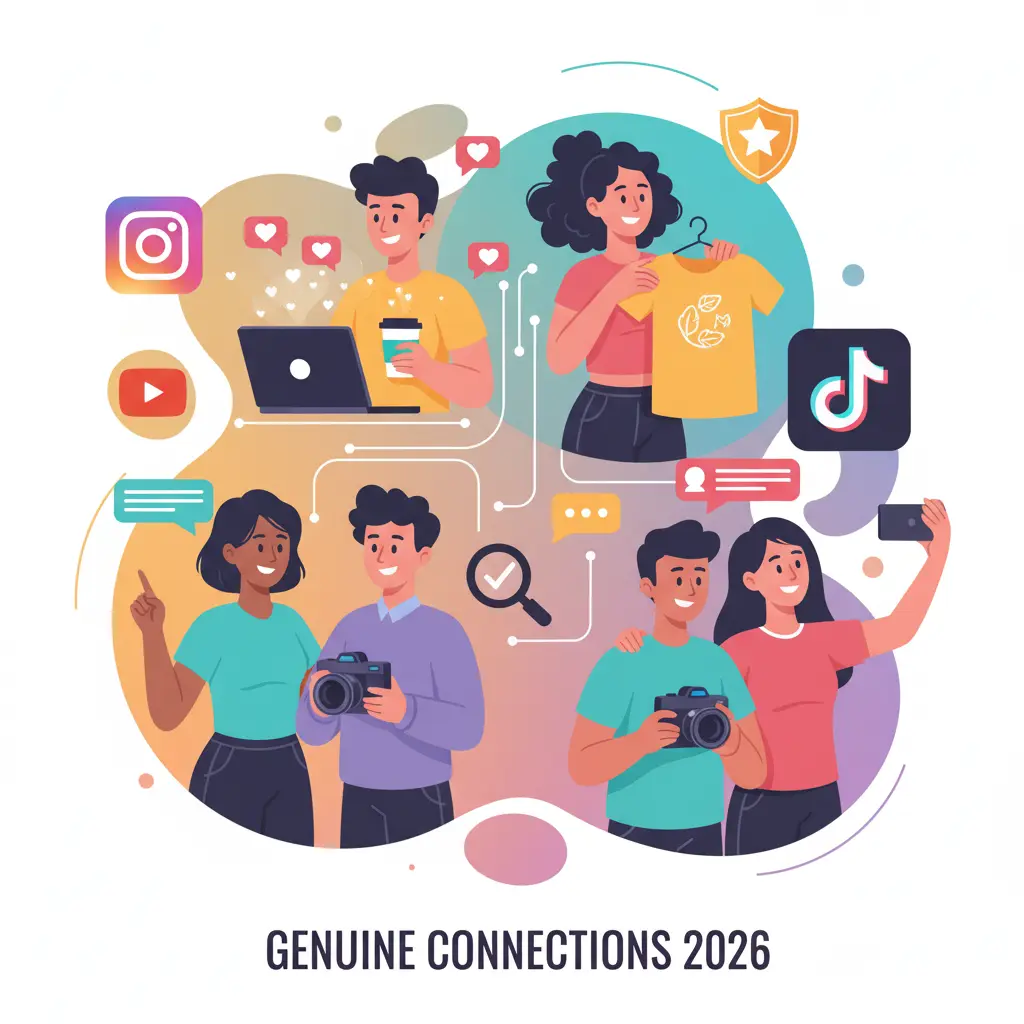
How Micro-Influencers Are Redefining Brand Trust in 2026
In a digital world saturated with polished ads, celebrity endorsements, and sponsored content, audiences have become skeptical. The glossy perfection that once defined influencer marketing no longer resonates with consumers who crave authenticity, relatability, and genuine connection. As a result, micro-influencers—creators with smaller but highly engaged followings—are taking center stage. In 2026, they are not just part of marketing strategy; they are shaping brand trust and consumer behavior.
The Shift from Reach to Relationship
Just a few years ago, brands competed for partnerships with mega influencers boasting millions of followers. But the marketing landscape has changed dramatically. Engagement, not exposure, is now the key metric. A study from 2026 shows that influencers with 10,000 to 100,000 followers deliver engagement rates nearly 60% higher than their celebrity counterparts. Why? Because micro-influencers feel accessible and real.
These creators are embedded in tight-knit communities—local audiences, niche hobby groups, or lifestyle segments—where trust is built through daily interaction. When a micro-influencer recommends a product, followers listen not because of fame, but because of familiarity. They see them as peers, not promoters. That human-scale trust is what’s redefining digital marketing in 2026.
Authenticity Over Virality
Consumers today are more skeptical than ever of staged content. They can spot paid endorsements from a mile away. The rise of micro-influencers aligns with the demand for authenticity. Their feeds are less about flawless perfection and more about lived experiences. A beauty influencer showing how a product works on real skin, or a fitness creator sharing both progress and struggles, feels far more credible than a celebrity ad campaign.
This shift reflects a larger cultural change: people want real conversations over curated perfection. Micro-influencers thrive in this environment because their authenticity builds emotional connection—a foundation of trust that brands can’t manufacture.
In 2026, the most successful marketing campaigns are those that embrace imperfections. Real-time reviews, candid videos, and unscripted storytelling outperform glossy, overly produced ads. Audiences respond to vulnerability, honesty, and passion—qualities that micro-influencers naturally embody.
The Rise of Nano and Hyperlocal Influencers
Even smaller creators, known as nano-influencers (with fewer than 10,000 followers), have exploded in relevance. In 2026, brands are collaborating with hyperlocal voices—community leaders, small business owners, educators, or local activists—who influence through proximity rather than scale.
This hyperlocal movement allows brands to connect authentically within specific markets. A local coffee shop might partner with a neighborhood foodie, or a regional fashion label might team up with local stylists. The goal isn’t global visibility; it’s community credibility. When followers see someone they know endorsing a product, it carries more weight than any celebrity shoutout.
AI Meets Influence: Smarter, More Ethical Partnerships
Technology is accelerating the micro-influencer revolution. In 2026, AI-driven influencer platforms help brands identify ideal partners based on engagement quality, sentiment analysis, and audience authenticity—not just follower count. This shift eliminates fake followers and ensures campaigns align with brand values.
AI tools also analyze tone, content history, and audience feedback to predict which influencers are likely to build long-term trust. Instead of one-off deals, brands now focus on sustainable collaborations—multi-month or year-long partnerships that evolve naturally. These relationships feel less transactional and more genuine, which further deepens audience trust.
Ethical transparency is also central to this new influencer economy. Regulations now require clear disclosure of partnerships, and audiences appreciate honesty. Micro-influencers who communicate openly about sponsorships—explaining why they support a brand—are often more trusted, not less.
Community First: The Power of Shared Values
In 2026, successful brands don’t just sell products—they align with causes. Sustainability, diversity, mental health, and social responsibility have become essential elements of marketing identity. Micro-influencers are leading this value-driven movement because they live these causes authentically.
When a creator advocates for a brand that reflects their genuine beliefs—such as eco-conscious fashion or cruelty-free skincare—the endorsement feels personal and credible. These shared values foster community trust, turning followers into advocates.
Communities built around micro-influencers often extend beyond social platforms. Brands are now collaborating with creators to host live events, virtual workshops, and co-branded experiences that bring audiences closer. These offline and hybrid engagements transform marketing from a monologue into a community conversation.
Short-Form Video and Real-Time Connection
The dominance of short-form video platforms like TikTok, Instagram Reels, and YouTube Shorts continues in 2026, but with an important twist—authenticity over aesthetics. Micro-influencers have mastered the art of quick, engaging, and genuine storytelling. They use humor, honesty, and spontaneity to forge emotional connections.
Live streaming is also reshaping brand-consumer relationships. Through real-time Q&A sessions, unboxing events, and behind-the-scenes glimpses, micro-influencers bring transparency to marketing. This immediacy builds a sense of intimacy that traditional advertising can’t replicate.
Additionally, emerging platforms powered by Web3 and decentralized media allow influencers to maintain ownership of their content and relationships. This independence strengthens their credibility, as followers know their voices aren’t controlled by corporate agendas.
Trust as Currency in the Creator Economy
In 2026, trust has become the most valuable marketing currency. With social algorithms constantly evolving, authenticity is the only constant that sustains engagement. Micro-influencers understand this better than anyone. They nurture their communities through consistent interaction—replying to comments, sharing honest feedback, and highlighting products that truly fit their lifestyle.
Brands that recognize and respect this authenticity reap long-term rewards. Instead of dictating campaign scripts, successful marketers co-create with influencers, allowing their voices to remain genuine. When audiences sense that creative control lies with the influencer, the brand message feels trustworthy.
Measuring Impact: Beyond Likes and Views
The metrics of success in 2026 are evolving. Engagement quality, sentiment, and community growth now outweigh vanity metrics like follower count. Brands are tracking trust indicators—such as positive sentiment, word-of-mouth mentions, and repeat engagement—to measure the real value of influencer partnerships.
AI and data analytics help quantify emotional impact. Sentiment analysis tools evaluate tone in comments and direct messages, offering insights into how audiences feel about a brand. This emotional intelligence layer has become the cornerstone of modern marketing analytics.
Collaborative Storytelling and Long-Term Impact
Micro-influencers are increasingly becoming co-creators, not just promoters. Brands collaborate with them from the ground up, inviting input on product design, packaging, and campaign direction. This shared ownership strengthens trust because followers see creators shaping the products they promote.
Moreover, long-term partnerships signal authenticity. When audiences see the same influencer consistently supporting a brand over time, the endorsement feels real—not paid. This continuity transforms brand trust into loyalty.
The Future: Trust in the Age of Digital Intimacy
As we move deeper into 2026, the influencer landscape is more democratic, transparent, and emotionally driven than ever. The line between influencer and consumer continues to blur, creating what experts call the era of digital intimacy—where brands engage through conversations, not campaigns.
Micro-influencers are at the heart of this transformation. They’re not selling—they’re connecting. Their power lies in genuine relationships and relatable storytelling that big names can’t replicate. As technology evolves and consumers grow even more discerning, the future of marketing belongs to those who can bridge the gap between brand message and human emotion.
In 2026, trust is the new influence—and micro-influencers are its most powerful architects. They remind us that authenticity isn’t a strategy; it’s a connection. And in the ever-changing digital world, that connection is what truly drives lasting brand success.