Google Algorithm Updates: What Do They Mean for Brands and Marketers
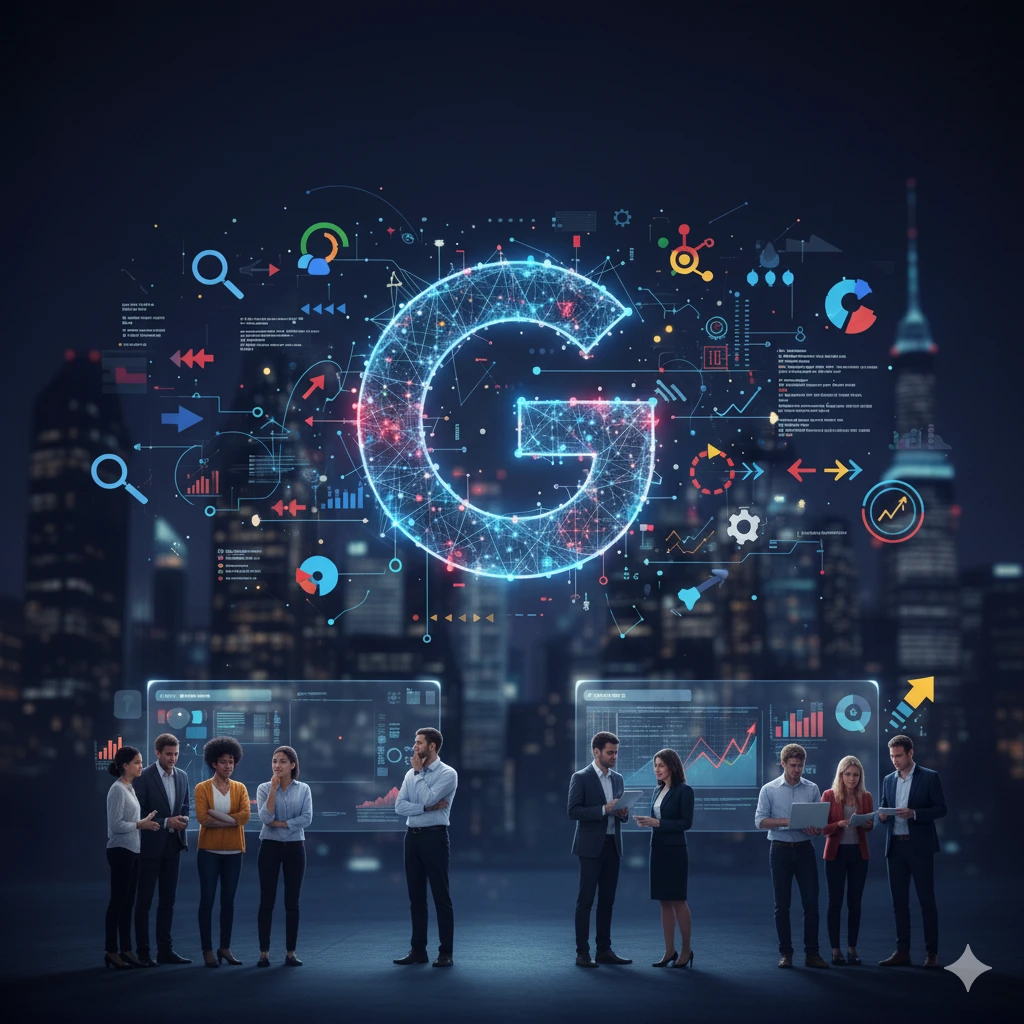
The digital marketing world changes fast, and one of the biggest drivers of that change is Google’s algorithm updates. Each year, Google refines how it ranks websites, aiming to improve user experience and deliver the most relevant search results. For brands and marketers, these updates can either skyrocket visibility or cause a sudden drop in rankings. Understanding how these changes work—and adapting accordingly—is the key to staying ahead in search engine optimization (SEO).
Why Google Algorithm Updates Matter
When Google updates its algorithm, it’s not just a technical change—it’s a shift in how billions of people find information online. The goal is simple: reward websites that provide value and penalize those that don’t. For brands and digital marketers, these updates directly impact traffic, visibility, and conversions.
If your website suddenly loses ranking after a core update, it can affect everything from organic leads to brand authority. Conversely, if you align your SEO strategy with Google’s priorities—quality content, strong user experience, and trustworthiness—you’ll thrive no matter how the algorithm evolves.
A Brief History of Major Google Algorithm Updates
Understanding the past helps predict the future. Google’s most notable algorithm updates have shaped the entire SEO landscape:
Panda Update (2011)
The Panda update targeted low-quality content, keyword stuffing, and thin pages. It rewarded websites with valuable, original information and penalized those that tried to manipulate rankings.
Penguin Update (2012)
This update focused on link quality. Sites using spammy backlinks or link farms saw massive drops, while those with authentic, earned links were rewarded.
Hummingbird (2013)
Hummingbird introduced semantic search, allowing Google to understand context rather than just keywords. It marked the start of natural language processing and conversational search.
RankBrain (2015)
An extension of Hummingbird, RankBrain used artificial intelligence to interpret user intent and adjust results dynamically based on behavior.
BERT Update (2019)
BERT (Bidirectional Encoder Representations from Transformers) further improved Google’s understanding of natural language, making search results more intuitive and contextually accurate.
Helpful Content and Core Updates (2022–2025)
Recent updates emphasize helpful, people-first content. Google now prioritizes pages that answer user queries effectively rather than content created solely for search rankings.
How Algorithm Updates Affect Brands
1. Visibility and Traffic Shifts
The most immediate impact of an algorithm update is changes in search rankings. A higher position means more organic traffic, while a ranking drop can dramatically reduce visibility. Brands relying heavily on SEO for leads must monitor performance metrics closely during update rollouts.
2. Reputation and Trustworthiness
Google’s focus on E-E-A-T (Experience, Expertise, Authoritativeness, Trustworthiness) means brands must build credibility through expert content, citations, and transparency. If your content demonstrates real knowledge and is backed by reputable sources, your site’s authority will grow even after major updates.
3. Content Strategy Adjustments
Algorithm updates often force marketers to revisit their content strategy. Outdated, keyword-stuffed, or low-value pages need to be refreshed. Today, Google rewards depth, originality, and user engagement—qualities that come from a well-thought-out content plan.
4. Technical SEO and User Experience
Page load speed, mobile optimization, and secure browsing (HTTPS) are critical ranking factors. Updates like Core Web Vitals measure how fast and smooth your website feels for users. Brands that invest in UX design and site performance gain a strong competitive edge.
What Marketers Should Focus On After Google Updates
1. Create High-Quality, People-First Content
Every update reinforces Google’s mission: serve users the best content possible. Focus on answering user intent. Ask yourself—does this page genuinely help my audience, or am I writing just to rank?
Use in-depth research, data-driven insights, and storytelling to make your content valuable. Add visuals, internal links, and original perspectives to stand out from competitors.
2. Prioritize Search Intent Over Keywords
Gone are the days of stuffing pages with repetitive keywords. Now, success comes from understanding search intent—what the user really wants. Whether it’s informational, navigational, or transactional, tailor your content accordingly.
For example, someone searching “best running shoes” expects comparisons and reviews, not a generic brand page. Matching intent equals higher engagement and better rankings.
3. Optimize for Mobile and Core Web Vitals
Google’s mobile-first indexing means your mobile site is what determines your ranking. Ensure your site loads quickly, buttons are easy to click, and navigation feels seamless. Use Google’s PageSpeed Insights and Search Console to identify improvement areas.
4. Strengthen Backlink Quality
Quality over quantity is the golden rule of modern SEO. Secure backlinks from reputable, relevant websites rather than low-quality directories. Guest posts, digital PR, and partnerships can all help earn authoritative links that enhance your site’s trust.
5. Regularly Audit and Update Old Content
Algorithm updates often penalize stale or outdated content. Conduct content audits every few months to refresh statistics, improve readability, and remove broken links. Updating older posts signals to Google that your site is active and reliable.
6. Embrace AI and Automation in SEO
Artificial intelligence tools are revolutionizing how marketers analyze data and optimize content. Use AI to track ranking fluctuations, analyze user behavior, and identify trending keywords. However, ensure human oversight—Google can detect AI-generated content that lacks depth or originality.
How Brands Can Future-Proof Their SEO Strategy
1. Build a Strong Brand Presence
Google’s algorithm increasingly values brand authority. When people search directly for your name or engage with your content across platforms, it signals trust to Google. Invest in brand storytelling, consistent messaging, and online reputation management.
2. Diversify Traffic Sources
While SEO is crucial, relying on it alone can be risky during algorithm volatility. Use email marketing, social media, and paid campaigns to maintain stable traffic even when search rankings fluctuate.
3. Stay Updated and Adapt Quickly
The SEO landscape evolves constantly. Subscribe to reputable SEO blogs, attend webinars, and monitor Google Search Central for official updates. Early adaptation gives you a strategic edge.
4. Focus on Ethical SEO Practices
Avoid shortcuts like link buying or hidden keywords. These black-hat tactics may deliver short-term gains but will lead to penalties after algorithm updates. Stick to ethical, user-first practices that align with Google’s long-term vision.
The Future of Google Algorithm Updates
Google’s focus is clear: providing the best possible search experience. Future updates will likely incorporate even more AI-driven personalization, voice search optimization, and visual content recognition. Brands that embrace authenticity, expertise, and innovation will continue to thrive in this evolving ecosystem.
Final Thoughts: Turning Updates into Opportunities
Instead of fearing Google’s algorithm updates, view them as opportunities for improvement. Each update pushes the web toward greater transparency, quality, and user satisfaction. By creating genuine value for your audience, optimizing for experience, and maintaining ethical SEO practices, your brand can not only survive updates—but grow stronger with every change.
The takeaway is simple: build for people, optimize for Google, and adapt continuously. That’s the winning formula for long-term success in an ever-changing digital world.