


Beyond Hello AI: Hyper-Personalisation at Scale in Digital Marketing
The New Era of AI-Driven Personalisation
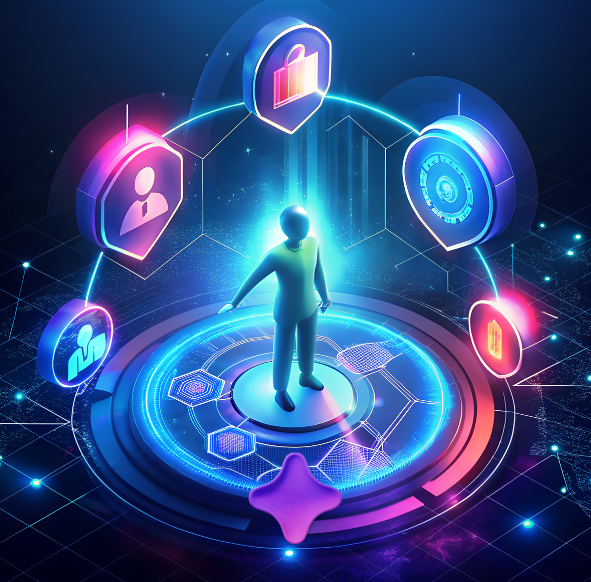
The days of “Hello [First Name]” are over. Today’s digital audience expects experiences that feel uniquely designed for them. With the rise of Artificial Intelligence (AI) and machine learning, brands are moving beyond generic personalisation toward what experts call hyper-personalisation. This means using real-time data, predictive analytics, and automation tools to deliver tailor-made experiences across every channel — from social media ads to email campaigns.
In 2025, hyper-personalisation in digital marketing is not just a competitive advantage; it’s a necessity. Consumers are bombarded with content every second, and only the most relevant messages stand out. Thanks to AI marketing automation, brands can now anticipate user intent, recommend products before they’re searched, and send the perfect message at the perfect time.
Why Hyper-Personalisation Matters More Than Ever
Modern consumers demand authenticity, speed, and precision. They want brands that understand their context — not just their names. Research shows that over 70% of online shoppers engage more with brands offering personalised experiences. That’s why companies are turning to AI-powered marketing tools like predictive analytics, behavioral segmentation, and real-time content automation.
Traditional personalisation relied on static data — age, gender, or location. But AI algorithms now go deeper, analyzing browsing patterns, purchase behavior, and even emotional cues. For example, Netflix’s recommendation engine and Spotify’s Discover Weekly use AI to anticipate user preferences, creating a bond between technology and human emotion.
The Role of Automation in Scaling Personalisation
One of the biggest challenges marketers face is scalability. Sending one-to-one messages to millions of customers sounds impossible — until automation steps in. Marketing automation platforms such as HubSpot, ActiveCampaign, and Klaviyo use AI segmentation to deliver dynamic content at scale.
Automation ensures that every piece of content — emails, SMS, social media posts, or push notifications — adapts to user data in real time. A customer browsing fitness gear might receive a personalised discount code or an automated follow-up showing trending products. This blend of AI and automation not only saves time but also builds loyalty through relevance.
Data: The Fuel Behind Hyper-Personalisation
Without quality data, even the smartest AI system falls flat. The shift to first-party data and zero-party data has transformed how marketers collect and apply information. As privacy regulations tighten worldwide, businesses are prioritising ethical data collection to gain trust.
With first-party data, brands can track user interactions across websites and apps to build accurate customer profiles. Meanwhile, zero-party data — information users voluntarily share — enhances transparency and deepens engagement. The synergy of both fuels predictive marketing, allowing brands to forecast what customers will want before they even realize it.
AI Tools Redefining Personalisation in 2025
The AI marketing landscape has exploded with tools that streamline and enhance personalisation efforts. Some trending tools include:
- ChatGPT and generative AI for creating conversational content and custom recommendations
- Google Performance Max for AI-driven ad targeting and automation
- Adobe Sensei for advanced data analysis and personalised content delivery
- Dynamic Yield and Segment for real-time audience segmentation
These platforms empower marketers to create data-driven strategies that evolve continuously. Rather than reacting to user behavior, brands can now predict and respond instantly — achieving the dream of real-time marketing automation.
The Power of Predictive and Emotional Marketing
Hyper-personalisation isn’t just about algorithms; it’s about empathy. The fusion of predictive analytics with emotional intelligence AI helps brands understand why users behave a certain way. For instance, a user browsing travel blogs might receive inspiring video content about destinations that align with their emotional triggers.
This deeper level of understanding builds trust and enhances customer retention. Brands using emotion-driven marketing powered by AI see higher engagement rates because they connect on a psychological level, not just a transactional one.
Challenges of Scaling Hyper-Personalisation
Despite the promise of AI, scaling personalisation brings challenges. Data privacy remains a top concern, especially with GDPR and other regional data protection laws. Businesses must be transparent about data usage and maintain user consent.
Another challenge is maintaining the human touch. Over-automation can make marketing feel robotic. Successful brands combine AI automation with authentic storytelling, ensuring messages remain genuine. The key is balance — automation for efficiency, creativity for connection.
Content Personalisation Across Channels
In today’s omnichannel marketing landscape, consistency is crucial. Consumers expect the same level of personalisation whether they’re on Instagram, YouTube, or email. Cross-channel automation enables marketers to sync user behavior across touchpoints.
For example, a user clicking on a YouTube ad might later receive a follow-up email with related offers. Meanwhile, retargeting automation ensures continuity by showing ads that reflect the customer’s recent interactions. This seamless integration across channels creates what’s now known as “connected personalisation.”
Voice, Visual, and Predictive Search
The future of personalisation extends beyond text. Voice search optimisation, visual search, and AI-powered predictive search are reshaping SEO strategies. With tools like Google Lens and Alexa AI, brands can personalise content for users who search with images or voice commands.
Imagine asking your smart speaker for skincare advice and receiving personalised product suggestions based on your previous purchases. That’s AI-enabled search personalisation in action — an emerging trend set to dominate digital marketing automation in 2025.
Hyper-Personalisation Meets Ethical Marketing
As AI takes center stage, ethical considerations become crucial. Marketers must ensure responsible AI usage, avoiding bias and over-targeting. Transparency in how AI personalises content builds credibility and strengthens brand trust.
Ethical personalisation focuses on value creation — not manipulation. When users feel respected, they’re more willing to share data and engage with automated systems. This approach aligns with the growing demand for privacy-first marketing strategies.
The Future: AI That Knows You Better Than You Know Yourself
Looking ahead, the line between human intuition and machine prediction will blur. With advancements in generative AI, natural language processing, and real-time automation, marketing will become hyper-responsive and deeply intuitive.
Imagine campaigns that adjust tone, visuals, and offers based on your mood or facial expressions captured through AI vision technology. While it may sound futuristic, such innovations are already being tested by leading brands. The challenge will be to keep personalisation meaningful, not invasive.
Conclusion: Moving Beyond “Hello” to Human-Centric AI
Hyper-personalisation isn’t about technology replacing humans; it’s about technology amplifying empathy. Brands that leverage AI-driven automation, predictive data, and emotional insight will lead the next wave of digital transformation.
As we move beyond “Hello AI,” marketers must remember that the ultimate goal is not just conversion — it’s connection. The brands that thrive will be those that make every interaction feel less like marketing and more like understanding.

1 Comment
Content at the Speed of Light: AI-Generated Assets vs. Human Touch -
November 07, 2025[…] use AI to generate blog drafts, social posts, email campaigns, and product visuals in real time. Generative AI models trained on vast datasets can mimic tone, style, and even emotion — giving marketers an […]