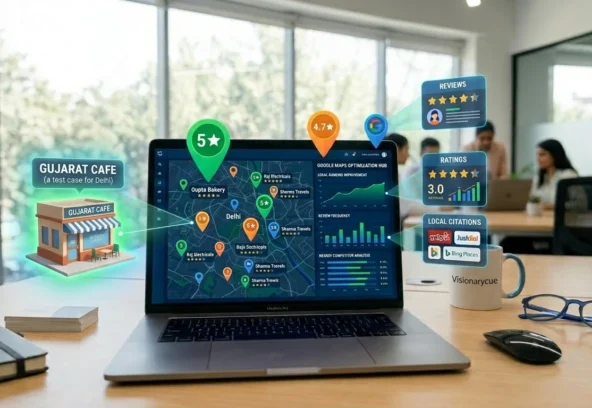


Generative Engine Optimization (GEO) and The Zero-Click Future
In the fast-evolving world of digital marketing, the rise of Generative AI has created a new frontier for search optimization. As AI-driven search engines like Google Search Generative Experience (SGE), ChatGPT Search, and Perplexity AI redefine how users access information, the old rules of Search Engine Optimization (SEO) are rapidly losing ground. Enter Generative Engine Optimization (GEO)—a new strategy that aligns content creation with how AI engines generate answers rather than how search engines rank pages. This shift signals the arrival of a zero-click future, where users get complete, personalized answers without ever leaving the search interface.
The Shift from SEO to GEO
Traditional SEO revolved around optimizing for keywords, backlinks, and on-page signals to climb search rankings. But with generative AI, the user no longer needs to click through multiple links to find an answer. Instead, AI models summarize, synthesize, and deliver content instantly. That’s where Generative Engine Optimization comes in—it’s the art of crafting information that AI systems can interpret, contextualize, and prioritize in their generated outputs.
GEO focuses on training AI engines to view your content as a trustworthy, high-quality data source. Unlike SEO, which targets web crawlers and algorithms, GEO targets AI training datasets and retrieval models. The better structured, clear, and authoritative your content is, the more likely it is to be included in AI-generated responses—even when no clicks happen.
Understanding the Zero-Click Future
The zero-click future is not just a buzzword; it’s the natural evolution of user behavior. In this era, users don’t search—they converse. They ask AI a question and receive an instant, personalized answer. No scrolling through ads or skimming multiple articles. Platforms like Google SGE, Bing Copilot, ChatGPT Search, and Perplexity.ai already demonstrate this in action. The result: less organic traffic, but more qualified impressions where your brand is mentioned or quoted directly in AI-generated results.
Marketers must adapt to this paradigm. The value now lies not in attracting clicks but in earning mentions and citations in generative results. Being “read” by AI engines becomes the new version of “ranking first” on Google. GEO strategies ensure that your brand becomes part of the AI’s knowledge layer—the underlying database it draws from when crafting responses.
How Generative Engine Optimization Works
To understand GEO, think of AI search systems as knowledge synthesizers rather than index-based search engines. They learn from billions of web pages, databases, and structured content. The goal of GEO is to make your content AI-readable, contextually rich, and semantically relevant. Here’s how it works:
- Data Structuring for AI Readability: Use schema markup, metadata, and semantic tags. These help AI identify relationships between entities—people, products, and topics.
- Conversational Language Optimization: Write in natural, human-like language that aligns with how users phrase questions to AI models. Include long-tail conversational keywords like “how to optimize for generative AI” or “what is the zero-click future.”
- Authoritative and Verified Information: AI models prioritize credibility. Include citations, expert insights, and verifiable statistics that reinforce trustworthiness.
- Contextual Embedding: Structure content around context rather than isolated keywords. This improves how AI engines interpret your topic’s relevance.
- Content Freshness and Consistency: AI models value updated, consistent information across multiple platforms. Keep your brand voice unified across websites, podcasts, videos, and social media.
The Role of AI-First Content Strategy
An AI-first content strategy doesn’t replace SEO—it expands it. Marketers must now optimize content for both search algorithms and AI summarization engines. The difference lies in intent: SEO focuses on visibility, while GEO focuses on influence. Being cited by an AI in a generated response can deliver brand exposure that feels organic, trustworthy, and personalized.
Examples of GEO in Action
- E-commerce: Instead of chasing product keyword rankings, brands optimize product data and reviews for AI interpretation. This makes their items appear in AI-generated shopping suggestions.
- Healthcare: Medical organizations ensure their content aligns with verified datasets, increasing chances of being referenced in AI health answers.
- Finance and Tech: By publishing transparent, data-backed insights, brands influence the AI narrative in high-stakes fields like fintech or cybersecurity.
Adapting to the Zero-Click Reality
The zero-click future may sound intimidating, but it’s filled with opportunity. Businesses must rethink metrics. Engagement, visibility, and mention quality will matter more than traditional click-through rates. The focus shifts from traffic volume to brand authority within AI ecosystems.
Here are a few strategies to stay ahead:
- Build AI-friendly knowledge bases: Publish FAQs, glossaries, and guides structured in a way that AI can easily interpret.
- Leverage vector databases: Store your content in formats optimized for AI retrieval systems.
- Enhance credibility signals: Fact-check, cite sources, and demonstrate expertise to increase inclusion in AI-generated responses.
- Track generative visibility: Tools are emerging to measure how often your brand appears in AI responses—a new analytics frontier for digital marketers.
Why GEO Matters for Marketers
As AI models continue to dominate user interactions, GEO becomes essential for sustaining brand visibility. Imagine a world where a customer asks an AI assistant, “What’s the best software for project management?” and the AI lists your brand first—not because you ranked high in SEO, but because your content was deeply trusted and contextually relevant. That’s the power of Generative Engine Optimization.
Marketers who master GEO today will define the future of digital influence. They’ll lead conversations instead of chasing trends, shaping what AI says about their brands. The companies that fail to adapt will see diminishing returns from traditional SEO tactics as zero-click behaviors become the norm.
Future of Search: AI, Voice, and Personalization
The future of search is multi-modal, conversational, and hyper-personalized. Voice assistants, AR tools, and AI-integrated browsers are changing how users engage with content. GEO ensures that your brand remains visible across all these emerging platforms. With the integration of AI agents, voice search, and contextual personalization, GEO will merge with content intelligence, creating an ecosystem where every digital asset communicates meaning to AI.
Final Thoughts
The transition from SEO to GEO marks a monumental shift in the digital landscape. As AI-generated search becomes mainstream, the true winners will be those who embrace the zero-click future and design their strategies around AI influence, not algorithmic ranking. Generative Engine Optimization isn’t just another marketing buzzword—it’s the evolution of search itself. In this new era, success will depend on how well your brand communicates with the machines that mediate human attention. The future is not about clicks—it’s about being part of the answer.