
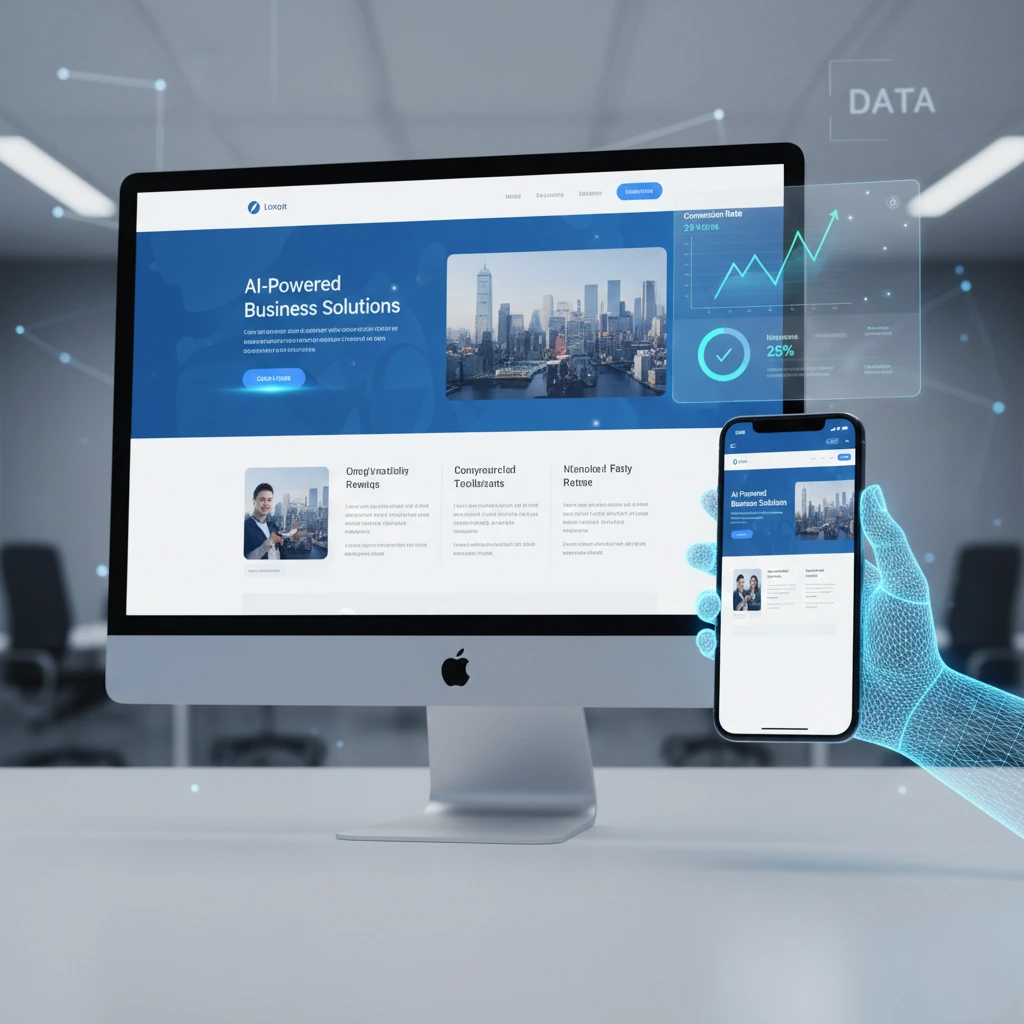
How to Build a High Converting Website in 2026
In 2026, your website is more than a digital brochure. It is your best salesperson, brand ambassador, and customer service representative working 24/7. Businesses that succeed online focus on creating a high converting website that turns visitors into leads and leads into loyal customers. With evolving technology, AI-driven personalization, and higher user expectations, companies must combine strategy, design, and performance to stand out.
This guide will walk you through practical steps and website design tips to help you build a powerful online presence using modern responsive website design principles.
Why a High Converting Website Matters in 2026
Consumer behavior continues to shift toward mobile-first browsing and instant decision-making. A high converting website ensures that every visitor is guided toward a clear action, whether it’s booking a consultation, purchasing a product, or subscribing to a newsletter.
With search engines like Google prioritizing user experience and performance metrics, your website must load quickly, provide value immediately, and deliver seamless navigation. Conversion optimization is no longer optional; it is a core growth strategy.
Define Clear Goals and Audience Intent
Before designing anything, define your website’s primary objective. Do you want more inquiries, direct sales, or demo bookings? A high converting website is built around one main goal per page.
Start by identifying your ideal customer. Understand their problems, motivations, and decision triggers. When your messaging speaks directly to their needs, your conversion rates naturally increase.
Craft a Compelling Value Proposition
Your headline should clearly explain what you do and how you solve a problem. Avoid generic statements. Instead, focus on measurable benefits. Visitors should understand your offer within five seconds of landing on your homepage.
Use Strategic Call-to-Actions
Every page should include a clear and visible call-to-action (CTA). Use action-driven language such as “Get Started,” “Book Your Free Call,” or “Download the Guide.” Limit distractions and guide users toward one primary decision.
Modern Website Design Tips for 2026
Design trends evolve, but clarity and usability remain timeless. Here are essential website design tips that improve engagement and conversions.
Prioritize Visual Hierarchy
Structure content with clear headings, short paragraphs, and scannable sections. Use contrasting colors for CTAs and keep important information above the fold. Clean layouts outperform cluttered designs.
Build Trust with Social Proof
Add testimonials, reviews, and case studies. Showcase real client results. Trust indicators such as certifications, awards, or recognizable brand logos reassure visitors that they are making the right choice.
Optimize Page Speed and Performance
Speed directly impacts user experience and rankings. Compress images, minimize code, and use reliable hosting. A delay of even one second can reduce conversions significantly.
Responsive Website Design Is Non-Negotiable
In 2026, most users browse via smartphones or tablets. Responsive website design ensures your site adapts perfectly to every screen size.
Mobile users expect fast-loading pages, easy navigation, and clickable buttons. If your site is not mobile-friendly, you risk losing a large percentage of potential customers. A high converting website always delivers a seamless experience across desktop, mobile, and tablet devices.
Mobile-First Design Strategy
Design for smaller screens first. Focus on simplified navigation, large tap targets, and clear typography. Then scale up for desktop displays.
Test Across Devices and Browsers
Regularly test your website on different devices and browsers to ensure consistent functionality. Broken layouts and slow pages hurt credibility and conversions.
Leverage Personalization and AI
Artificial intelligence is transforming user experience. Platforms like Shopify and WordPress now integrate AI-driven tools that personalize product recommendations and content based on user behavior.
Personalized experiences increase engagement and improve results. A high converting website uses data to show the right message to the right visitor at the right time.
SEO and Content Optimization
Search engine visibility remains crucial. Optimize your content with relevant keywords, structured headings, and high-quality internal links. Valuable blog posts, guides, and FAQs help attract organic traffic.
Content should answer specific user questions and provide actionable insights. Combine educational content with persuasive copy to move visitors through your sales funnel.
Continuous Testing and Optimization
A high converting website is never truly finished. Use analytics tools to track user behavior, bounce rates, and conversion paths. Conduct A/B testing on headlines, CTAs, and layouts to discover what resonates most with your audience.
Data-driven decisions consistently outperform assumptions. Small improvements in button color, headline clarity, or page structure can significantly impact overall performance.
Security and Privacy Build Confidence
Increased data privacy regulations mean users are more cautious than ever. Install SSL certificates, display privacy policies, and ensure secure payment gateways. When visitors feel safe, they are more likely to convert.
Final Thoughts
Building a high converting website in 2026 requires a blend of strategic messaging, modern website design tips, responsive website design principles, and continuous optimization. Businesses that focus on user intent, speed, personalization, and trust-building elements will consistently outperform competitors.
Your website should not just attract visitors; it should guide them toward meaningful action. By applying these strategies, you can create a digital platform that drives measurable growth and long-term success.