


SEO in 2025: What’s Still Working (and What’s Dead)
What’s Still Working – Foundations That Endure
Search engine optimization has evolved dramatically over the years, yet some core principles continue to define success. In 2025, SEO is more intelligent, data-driven, and user-focused than ever before. But the fundamentals of relevance, authority, and user experience remain timeless.
High-Quality Content with Strong User Intent
Content is still the heart of SEO, but what matters most now is intent. Search engines have become experts at interpreting why a user is searching, not just what words they type. Instead of focusing on keyword frequency, your content should answer questions, provide solutions, and create genuine value. Content depth, readability, and originality all play a key role.
Technical SEO Basics Still Matter
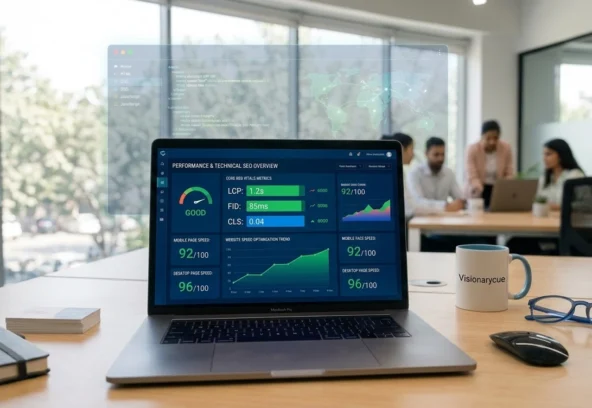
No matter how engaging your content is, it can’t perform if your website’s technical foundation is weak. Fast page speed, mobile responsiveness, structured data, and secure HTTPS connections continue to influence rankings. Google’s Core Web Vitals remain an essential part of technical optimization — optimizing your Largest Contentful Paint (LCP), Cumulative Layout Shift (CLS), and Interaction to Next Paint (INP) can mean the difference between a top-ranked page and one buried on page three.
User Experience and Engagement Signals
Search engines now use engagement metrics as indirect ranking signals. If your visitors leave after a few seconds, your page may lose authority. Clear navigation, easy readability, and strong design increase dwell time and lower bounce rates. Prioritizing user experience isn’t just a design choice — it’s an SEO necessity.
Intent-Based Keyword Strategy
Keywords aren’t dead, but their role has shifted. Modern SEO demands understanding the context behind queries. Long-tail conversational phrases such as “best AI-driven SEO strategies” or “how to optimize for voice search” perform better because they mirror real human questions. With voice search rising, optimizing for natural language and question-based searches is essential.
What’s Dying or Changing Drastically
Many old SEO tactics no longer yield results — and some can even damage your rankings in 2025.
Keyword Stuffing and Exact-Match Obsession
Repeating exact-match keywords no longer fools algorithms. Google’s natural language models like Gemini and OpenAI’s search integrations understand semantic meaning and context. This means that relevance, topical authority, and content structure carry more weight than repetitive phrasing.
Low-Quality Link Building
Mass-produced backlinks from irrelevant sites are a relic of the past. The focus has shifted toward link earning — securing mentions from trusted sources that align with your industry. Editorial links, digital PR, and high-value guest posts now outperform traditional link-exchange schemes.
Ignoring Zero-Click Searches
With the rise of AI-driven search interfaces and Google’s Search Generative Experience (SGE), users often get answers without clicking through to a website. This trend of zero-click searches means businesses must optimize for visibility, not just traffic. Using structured data, concise summaries, and “featured snippet” formatting can help your content appear in AI-generated answer panels and voice results.
Key SEO Trends Dominating 2025
Voice and Conversational Search Optimization
More than half of all searches in 2025 are spoken aloud. People use natural language like “What’s the best SEO strategy for local businesses?” To capture this traffic, websites must use conversational phrasing, include FAQs, and build pages that answer specific questions directly.
AI-Driven SEO and Answer Engine Optimization (AEO)
Artificial intelligence is reshaping search behavior. Instead of ten blue links, users now interact with answer engines that generate summaries pulled from multiple sources. To stay visible, marketers must adapt to Answer Engine Optimization (AEO) — structuring content so AI can easily extract accurate, concise information. Implementing schema markup, clear headings, bullet lists, and short paragraphs helps AI models understand your content better.
Video and Visual Search
Video SEO is no longer optional. Platforms like YouTube, TikTok, and Instagram are becoming mini search engines. Adding transcripts, optimizing video titles, and embedding short-form clips within blog posts can boost discoverability. Visual search is also rising — optimizing image alt text and metadata now contributes significantly to ranking potential.
Local SEO Meets AI Personalization
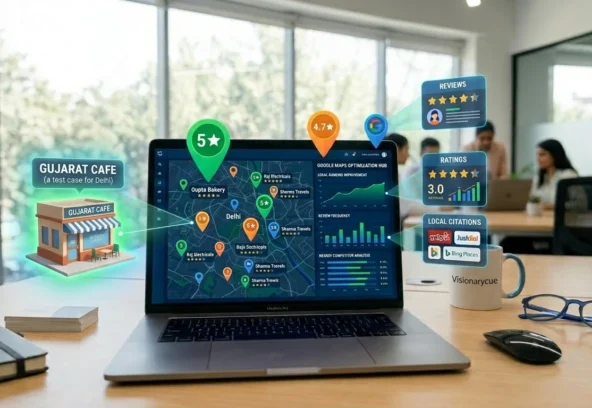
AI-driven personalization means that even local search results are tailored to user behavior and preferences. Local businesses should maintain accurate Google Business Profiles, collect authentic reviews, and use AI tools to understand hyper-local search intent. Combining location data with user behavior insights helps brands appear in “near me” and “open now” queries more often.
Content Freshness and E-E-A-T
Google’s Experience, Expertise, Authority, and Trust (E-E-A-T) framework remains vital. Users — and AI systems — favor content that demonstrates credibility. Regularly update posts, cite trusted sources, include author bios, and showcase your real-world expertise. Outdated or generic information can cost you visibility.
Practical SEO Checklist for 2025
Audit Existing Content
Review older pages for outdated statistics or broken links. Refresh underperforming articles with new insights, and merge thin pages that cover similar topics. Maintaining quality over quantity ensures better crawl efficiency and ranking potential.
Focus on Search Intent
Use modern keyword tools and AI analytics to discover what questions your audience is asking. Update your content strategy to focus on informational, transactional, and navigational intent rather than chasing high-volume keywords.
Improve Technical and UX Performance
Run regular technical audits using tools like Google Search Console, PageSpeed Insights, and Screaming Frog. Prioritize fast loading times, mobile responsiveness, and error-free sitemaps. User experience is now directly tied to ranking stability.
Optimize for Zero-Click and AI Search
Write answer-first content: state the key takeaway in the first few sentences, then elaborate. Add structured data like FAQ, Q&A, and Article schema so AI systems can index and summarize your content effectively.
Expand into Visual and Video SEO
Repurpose your blog content into short video explainers or infographics. Add descriptive alt tags to all images, and use high-quality visuals that support your written content.
Build Trust and Authority
Backlink building in 2025 is about credibility. Publish case studies, collaborate with reputable brands, and earn mentions from industry publications. Showcasing expertise and authenticity builds long-term domain authority.
Monitor New SEO Metrics
Rankings alone no longer define success. Track your click-through rate, engagement, featured snippet appearances, and visibility in generative search results. Use AI analytics to discover which content is being pulled into voice responses and AI overviews.
Looking Ahead: The Future of SEO
The next wave of SEO will be defined by Generative Engine Optimization (GEO) — optimizing content not just for human readers, but for AI systems that summarize and recommend information. Semantic relevance, user intent, and trust signals will outweigh raw backlinks or keyword density. As augmented reality and immersive search expand, brands that integrate early will gain a competitive advantage. Ethical data practices and transparency will also become major ranking factors, as search engines prioritize safety and credibility.
Final Thoughts
In 2025, SEO isn’t dying — it’s transforming. The strategies that still work are rooted in authenticity, expertise, and user satisfaction. What’s dead are shortcuts and manipulative tactics that once gamed the system. Successful brands now blend human creativity with machine understanding.
For agencies like Visionary Cue, the mission is clear: craft content ecosystems built for both people and AI. By embracing conversational SEO, optimizing for answer engines, and building meaningful authority, your brand won’t just rank — it will lead in the era of intelligent search.


1 Comment
Backlinks
December 14, 2025Howdy! This article couldn’t be written much better! Going through this article reminds me of my previous
roommate! He always kept preaching about this.
I most certainly will send this post to him. Pretty sure he’ll
have a very good read. Thanks for sharing!