
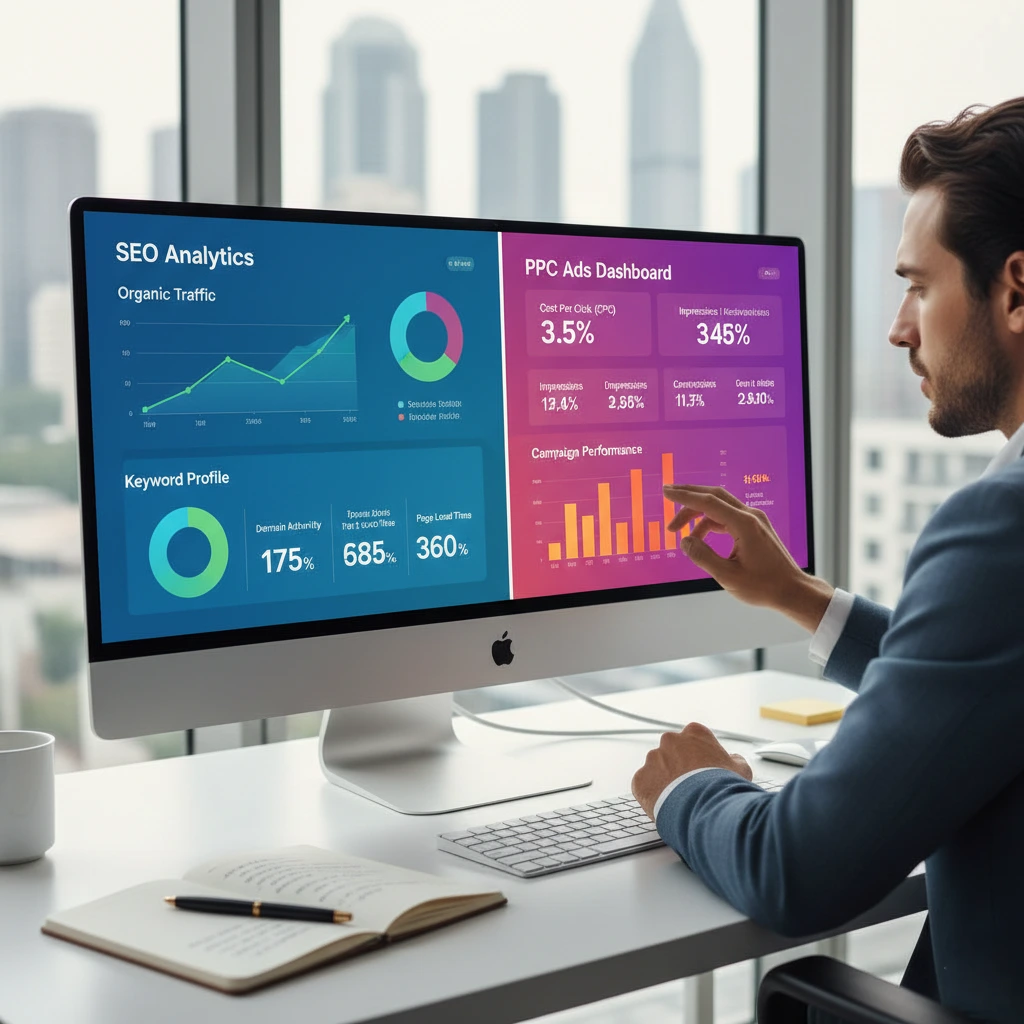
SEO vs PPC: Which Strategy Drives Better ROI?
In the digital marketing world, one debate continues to dominate strategy discussions: SEO vs PPC. Businesses want to know which approach delivers better return on investment and sustainable growth. While both strategies aim to increase visibility in search engines, they operate differently and produce unique results.
Understanding the differences between SEO vs PPC is essential for making informed marketing decisions. When combined with technical search engine marketing practices and a clear understanding of paid vs organic marketing, companies can build a balanced and profitable strategy.
Understanding SEO and PPC
Search Engine Optimization (SEO) focuses on improving your website’s organic rankings through content optimization, technical improvements, and authority building. It relies on unpaid visibility in search results.
Pay-Per-Click (PPC), on the other hand, involves paid advertisements that appear at the top of search engine results pages. Businesses bid on keywords and pay each time someone clicks their ad.
The comparison of SEO vs PPC often comes down to long-term sustainability versus immediate results. Both fall under the broader umbrella of technical search engine marketing, which integrates optimization and advertising for maximum visibility.
Cost Comparison: Short-Term vs Long-Term Investment
One of the biggest differences in SEO vs PPC is cost structure. PPC requires immediate financial investment. You pay for every click, and once you stop paying, traffic stops.
SEO requires upfront investment in content, technical optimization, and link building. However, once rankings are established, traffic can continue without ongoing per-click costs. In terms of paid vs organic marketing, PPC delivers quick traffic, while SEO builds lasting authority.
For businesses seeking fast leads, PPC may provide quicker ROI. For those focused on sustainable growth, SEO often proves more cost-effective over time.
Speed of Results
When comparing SEO vs PPC, speed is a major factor. PPC campaigns can start generating traffic within hours of launch. This makes them ideal for product launches, seasonal promotions, or testing new markets.
SEO takes time. It may require months to see significant ranking improvements. However, the long-term benefits of organic visibility often outweigh the initial waiting period.
In technical search engine marketing strategies, many companies use PPC for immediate traction while building SEO for future stability.
Credibility and Trust
Organic results often carry higher trust among users. Many consumers skip ads and click on organic listings because they perceive them as more credible.
In the debate of SEO vs PPC, trust plays a key role in ROI. While PPC ensures top placement, SEO builds brand authority over time. Organic rankings signal expertise and relevance, which can influence purchasing decisions.
Paid vs organic marketing strategies differ in perception. Organic traffic often leads to higher engagement and stronger brand loyalty.
Targeting and Control
PPC provides precise targeting options. Businesses can define audience demographics, location, device type, and even time of day. This level of control makes PPC highly adaptable.
SEO offers less direct targeting control but captures high-intent users searching for relevant keywords. When evaluating SEO vs PPC, consider your need for targeting flexibility.
Technical search engine marketing combines both approaches to maximize reach. For example, PPC can target competitive keywords while SEO focuses on long-tail search terms.
Scalability and Sustainability
Sustainability is where SEO vs PPC shows clear contrast. PPC scales quickly with increased budget, but costs rise accordingly. SEO requires consistent effort but generates compounding results over time.
In paid vs organic marketing comparisons, organic growth often delivers stronger long-term ROI because traffic continues without proportional cost increases.
Businesses aiming for long-term digital presence often prioritize SEO while using PPC strategically for short-term campaigns.
Measuring ROI
Both strategies provide measurable data. PPC platforms offer detailed metrics such as click-through rates, cost per click, and conversion tracking. SEO performance can be tracked through organic traffic, keyword rankings, and engagement metrics.
When analyzing SEO vs PPC, ROI depends on business goals. If immediate conversions are critical, PPC may outperform. If long-term visibility and cost efficiency are priorities, SEO may deliver stronger returns.
The Ideal Approach: Integration
Rather than choosing one over the other, many experts recommend integrating both strategies. SEO vs PPC should not be viewed as competitors but as complementary tools.
Using PPC to test keywords and messaging can inform SEO content strategies. Meanwhile, strong organic rankings can reduce reliance on paid ads over time. A combined technical search engine marketing plan ensures maximum exposure across paid vs organic marketing channels.
Final Thoughts
The debate around SEO vs PPC ultimately depends on your business goals, timeline, and budget. PPC provides immediate visibility and precise targeting, while SEO builds credibility and long-term value.
For the best ROI, businesses should consider a hybrid approach that leverages both strategies. By aligning technical search engine marketing efforts and balancing paid vs organic marketing, you can create a comprehensive digital strategy that drives consistent traffic, qualified leads, and sustainable growth.