
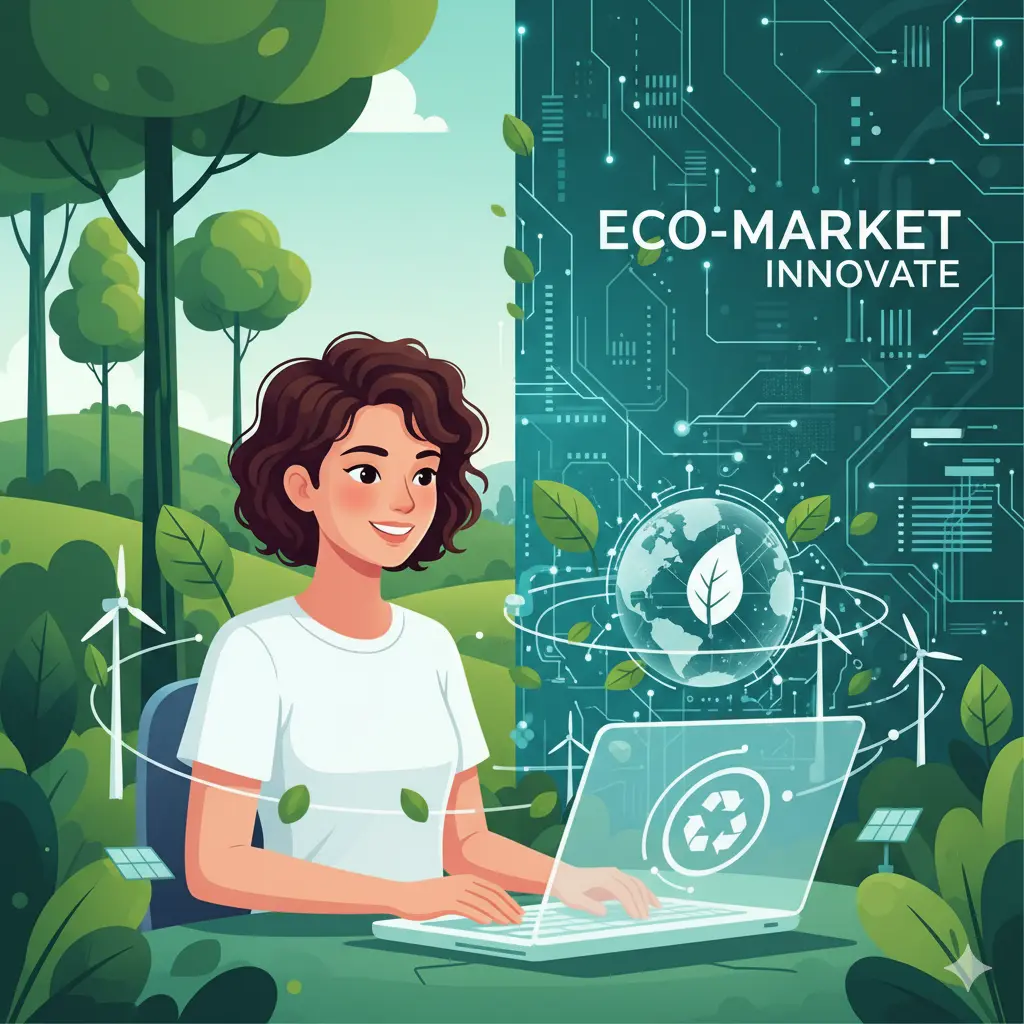
Green Marketing 2.0: Why Sustainability Sells in the Digital Age
In today’s hyper-connected world, consumers are not just buying products—they are buying values, impact, and trust. This is where Green Marketing 2.0 comes in. As climate consciousness rises, sustainability has become more than a buzzword—it’s a driving force behind purchasing decisions. From eco-friendly packaging to carbon-neutral operations, brands that embrace sustainability are capturing hearts, building loyalty, and standing out in crowded digital spaces.
The evolution of green marketing has been fascinating. In the early 2000s, brands merely used “green” as a marketing gimmick—think recycled paper labels or vague “eco-safe” claims. But in the digital age, consumers are smarter, better informed, and quick to call out greenwashing. They want authenticity, transparency, and measurable impact. Green Marketing 2.0 is not about selling products—it’s about selling purpose.
The Rise of Conscious Consumers
Millennials and Gen Z have reshaped the global marketplace. These generations are digital natives who use social media, online reviews, and sustainability reports before making a purchase. According to recent research, over 70% of Gen Z consumers prefer to buy from brands that align with their social and environmental values. They are not afraid to pay more for ethical, sustainable products.
This shift has pushed brands to rethink how they communicate and operate. Green Marketing 2.0 focuses on authentic storytelling—sharing a brand’s real journey toward sustainability, including challenges, innovations, and measurable outcomes. In the digital age, transparency is currency. Brands that openly share their carbon footprint, ethical sourcing practices, and sustainability goals are earning trust and advocacy.
Sustainability as a Digital Strategy
In the digital era, sustainability sells because it aligns with the core principles of modern marketing: personalization, transparency, and community. Consumers want to feel part of something bigger than a transaction. Social media platforms have become hubs for sustainability movements. TikTok trends promoting upcycling, zero-waste lifestyles, and slow fashion are proof that green values are mainstream.
Digital tools have empowered brands to make sustainability visible. Through AI-driven analytics, brands can track environmental impact across supply chains and share data-backed results with their audience. Blockchain technology is helping verify ethical sourcing, ensuring consumers know exactly where their products come from. These innovations are transforming how companies prove their green credentials and communicate them in real time.
Authenticity Over Aesthetics
Gone are the days when a green label or leafy logo was enough to convince consumers. Today’s audience demands proof, not promises. Brands like Patagonia, IKEA, and The Body Shop have set new standards for sustainability storytelling. They don’t just sell products—they share values, educate customers, and invite them into the sustainability journey.
For instance, Patagonia’s “Don’t Buy This Jacket” campaign challenged consumerism itself, urging people to repair rather than replace. The result? Increased brand loyalty and sales. Why? Because the campaign reflected genuine environmental responsibility, not marketing fluff.
This authenticity-driven model is the essence of Green Marketing 2.0—it thrives on honesty and emotional connection. Brands are now creating documentaries, podcasts, and behind-the-scenes content to showcase their sustainable practices. Real stories of farmers, artisans, or engineers working toward environmental goals resonate more than polished ads.
Eco-Influencers and Social Proof
In the digital age, influencer marketing has merged with sustainability advocacy. Eco-influencers—content creators dedicated to green living—are leading conversations on climate action, ethical fashion, and eco-friendly innovations. Collaborating with these creators allows brands to tap into loyal communities that trust authenticity over traditional advertising.
Social media algorithms favor purpose-driven content. Campaigns with sustainability hashtags like #EcoFriendlyLiving, #SustainableBrand, #ClimateAction, #GreenInnovation, and #EthicalFashion often gain organic traction. These trending keywords drive visibility and engagement, helping brands reach audiences genuinely interested in sustainable lifestyles.
Data-Driven Green Marketing
Digital transformation has given marketers access to unprecedented data insights. By analyzing user behavior, brands can identify eco-conscious segments and tailor campaigns accordingly. Google Trends shows rising searches for terms like “carbon-neutral products,” “zero waste,” and “sustainable packaging.” Integrating these trending keywords into digital content boosts SEO and visibility.
Brands can use AI-powered marketing tools to personalize green messaging—showing environmentally relevant ads based on a user’s values and online activity. For instance, a user frequently engaging with sustainability blogs could see ads highlighting carbon offsets or upcycled products. This alignment between data and ethics enhances both customer satisfaction and brand trust.
Sustainability Meets E-commerce
Online shopping has exploded, and so has its environmental footprint. Green Marketing 2.0 addresses this by turning e-commerce into an eco-conscious experience. Many brands now use biodegradable packaging, carbon-neutral shipping options, and product lifecycle transparency as key selling points.
E-commerce platforms like Shopify and Amazon are integrating sustainability badges and carbon calculators, helping consumers make informed choices. Brands that highlight these credentials in product descriptions and SEO tags see higher conversion rates. Shoppers increasingly filter results by sustainability certifications, making green positioning a competitive advantage.
The Role of Storytelling and Community Building
At the heart of Green Marketing 2.0 lies the power of storytelling. Digital storytelling humanizes sustainability. Brands that share their challenges—like reducing plastic dependency or transitioning to renewable energy—create emotional engagement. Consumers appreciate vulnerability because it shows progress, not perfection.
Community-driven marketing has also become a pillar of sustainability strategy. Brands are building online communities around shared environmental goals. Through newsletters, webinars, and digital challenges (like “30 Days of Zero Waste”), they engage consumers as partners in progress. When people feel part of a cause, they become brand ambassadors, amplifying the message organically.
The Business Case for Going Green
Beyond ethics, sustainability is profitable. Studies reveal that companies with strong ESG (Environmental, Social, and Governance) practices outperform competitors financially. Green brands attract investors, talent, and loyal customers. Moreover, eco-friendly products often command higher price points without losing competitiveness.
Green Marketing 2.0 isn’t just about saving the planet—it’s about future-proofing business. Regulatory changes, such as carbon taxes and plastic bans, are becoming stricter worldwide. Brands that adapt early gain strategic resilience and positive reputation. Sustainability has become both a moral duty and a business differentiator.
Challenges in the Green Digital Revolution
Despite progress, the digital age also brings new challenges. Greenwashing remains a critical issue. Some brands exaggerate sustainability claims to attract conscious consumers. This can backfire when customers discover inconsistencies, damaging trust permanently. Transparency, certification, and third-party audits are essential to avoid such pitfalls.
Additionally, sustainability communication must remain inclusive. Not all consumers can afford premium eco-products. Green Marketing 2.0 should emphasize accessibility—showing that sustainable choices are for everyone, not just a privileged few.
The Future of Green Marketing 2.0
As technology evolves, Green Marketing 2.0 will merge with Web3 innovations, AI-driven personalization, and virtual reality storytelling. Imagine customers virtually touring a brand’s solar-powered factory or tracking carbon offset contributions in real time. The future is immersive, data-driven, and deeply human-centered.
In conclusion, sustainability sells because it connects purpose with progress. In the digital age, consumers don’t just want to buy—they want to belong. Green Marketing 2.0 empowers brands to create that connection authentically. By embracing transparency, leveraging technology, and fostering genuine community engagement, businesses can turn sustainability from a corporate responsibility into a competitive edge.
Sustainability is not a trend—it’s the new normal. And in a world where digital influence shapes behavior, brands that lead with green values will shape the future of marketing itself.