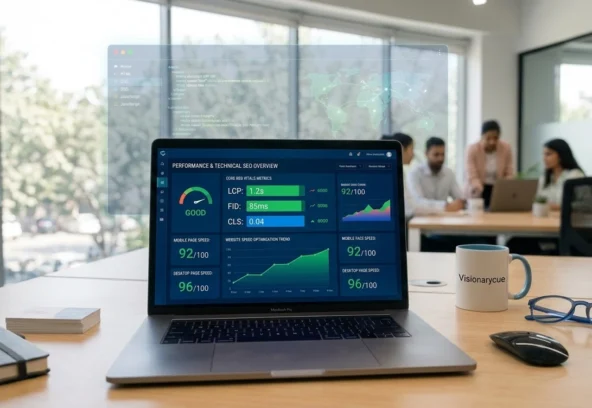


A strong online presence begins with a fast, well-optimized website. This technical SEO guide will help you understand how to improve your site’s performance while making it easier for search engines to crawl and rank your pages. By focusing on key elements like site speed optimization, Core Web Vitals, crawlability, and indexing issues, you can create a solid technical foundation that boosts both user experience and visibility.
Why Technical SEO Matters
Technical SEO ensures that your website meets the technical requirements of modern search engines. A well-structured website loads quickly, is easy to navigate, and allows search engines to access and understand its content efficiently. This technical SEO guide emphasizes that performance is no longer optional—it directly impacts rankings, conversions, and user satisfaction.
Site Speed Optimization for Better Performance
Site speed optimization is one of the most critical aspects of technical SEO. Slow websites lead to higher bounce rates and lower engagement. To improve loading times, start by optimizing images, enabling browser caching, and minimizing CSS, JavaScript, and HTML files. Using a content delivery network (CDN) can also reduce latency by serving content from servers closer to users.
Another important step is reducing server response time. Choose reliable hosting and consider upgrading your server resources if needed. This technical SEO guide recommends compressing files with Gzip or Brotli and eliminating unnecessary scripts that may slow down your website.
Understanding Core Web Vitals
Core Web Vitals are a set of performance metrics introduced by Google to measure user experience. They focus on loading speed, interactivity, and visual stability. The three main metrics include Largest Contentful Paint (LCP), First Input Delay (FID), and Cumulative Layout Shift (CLS).
Improving these metrics should be a priority in any technical SEO guide. For example, optimize LCP by reducing render-blocking resources and improving server response times. Minimize FID by reducing JavaScript execution time, and improve CLS by ensuring proper sizing for images and ads. These changes not only improve rankings but also create a smoother browsing experience.
Enhancing Crawlability
Crawlability refers to how easily search engine bots can navigate and access your website. If your site isn’t crawlable, it won’t be indexed properly. This technical SEO guide highlights the importance of creating a clear site structure with logical internal linking.
Use an XML sitemap to guide search engines through your pages and ensure your robots.txt file is configured correctly. Avoid broken links and redirect chains, as they can hinder crawling efficiency. Keeping your URL structure clean and descriptive also helps search engines understand your content better.
Fixing Indexing Issues
Indexing issues occur when search engines cannot properly store and display your pages in search results. Common problems include duplicate content, noindex tags, and incorrect canonicalization. This technical SEO guide suggests regularly auditing your site using tools like Google Search Console to identify and fix such issues.
Ensure that important pages are not blocked by robots.txt or accidentally marked with a noindex tag. Use canonical tags to prevent duplicate content problems and make sure your pages are accessible without unnecessary parameters. Proper indexing ensures that your content appears in search results where it belongs.
Mobile Optimization and Performance
With the majority of users accessing websites on mobile devices, mobile optimization is essential. A responsive design ensures your website adapts to different screen sizes and provides a seamless experience. This technical SEO guide recommends using mobile-friendly layouts, optimizing touch elements, and avoiding intrusive interstitials.
Additionally, test your website’s performance on mobile devices and fix any usability issues. Faster loading times and smooth navigation can significantly improve engagement and search rankings.
Monitoring and Continuous Improvement
Technical SEO is not a one-time task. Regular monitoring and updates are necessary to maintain optimal performance. Use analytics tools to track site speed, user behavior, and indexing status. This technical SEO guide encourages ongoing audits to identify new issues and opportunities for improvement.
Stay updated with search engine algorithm changes and adjust your strategies accordingly. Continuous optimization ensures your website remains competitive in an ever-evolving digital landscape.
FAQs
What is a technical SEO guide?
A technical SEO guide is a resource that outlines strategies and best practices to improve a website’s technical performance, including speed, crawlability, and indexing for better search engine rankings.
How do Core Web Vitals affect SEO?
Core Web Vitals measure user experience factors like loading speed, interactivity, and visual stability. Better scores can improve rankings and enhance user satisfaction.
How can I fix indexing issues on my website?
You can fix indexing issues by checking Google Search Console for errors, removing unnecessary noindex tags, optimizing canonical tags, and ensuring your important pages are accessible to search engines.