

If you want your website to rank higher on search engines in 2026, mastering on-page SEO is essential. This on-page SEO checklist will guide you through the most important elements you need to optimize every page effectively and improve your visibility.
What is On-Page SEO?
On-page SEO refers to optimizing individual web pages to rank higher and earn more relevant traffic. It includes content, HTML elements, and user experience. Following a proper on-page SEO checklist ensures that your content is both search-engine-friendly and valuable to readers.
1. Optimize Meta Tags Properly
Meta tags play a crucial role in telling search engines what your page is about. The two most important ones are:
- Title Tag: Include your primary keyword and keep it under 60 characters.
- Meta Description: Write a compelling summary with your keyword to improve click-through rates.
Meta tags optimization is a key step in any on-page SEO checklist, as it directly impacts how your page appears in search results.
2. Create a Strong SEO Content Structure
A well-organized article improves readability and rankings. Use:
- H1 for the main title
- H2 and H3 for subheadings
- Short paragraphs and bullet points
Search engines prefer structured content because it is easier to understand. A clear SEO content structure is an essential part of any on-page SEO checklist for beginners and professionals alike.
3. Use Keywords Strategically
Your primary keyword should appear naturally in:
- Title
- Headings
- First 100 words
- Throughout the content
Avoid keyword stuffing and focus on natural placement. A smart keyword strategy is critical in an effective on-page SEO checklist, helping search engines understand your content relevance.
4. Focus on Internal Linking Strategy
Internal links connect your pages and help search engines crawl your website better. Benefits include:
- Improved navigation
- Increased page authority
- Better user experience
Link to relevant pages using descriptive anchor text. A strong internal linking strategy is a must-have in your on-page SEO checklist to boost rankings across your site.
5. Optimize Images for SEO
Images enhance user experience, but they must be optimized properly. Follow these steps:
- Use descriptive file names
- Add alt text with keywords
- Compress images for faster loading
Image SEO ensures your visuals contribute to rankings instead of slowing your site down. It’s an important component of a complete on-page SEO checklist.
6. Improve Page Loading Speed
Page speed is a ranking factor and affects user experience. To improve speed:
- Compress images
- Use caching
- Minimize code
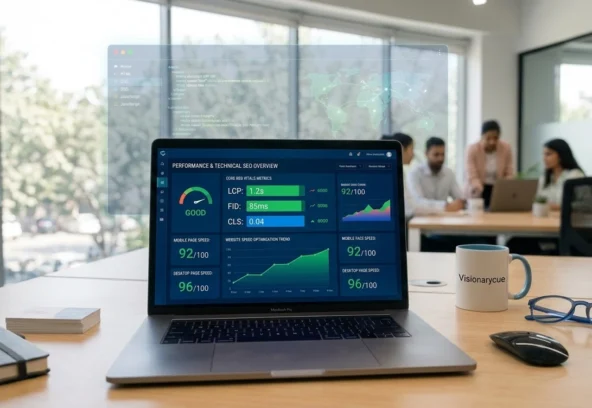
A fast-loading page reduces bounce rates and increases engagement, making it a crucial part of your on-page SEO checklist.
7. Make Your Website Mobile-Friendly
With most users browsing on mobile devices, responsive design is essential. Ensure:
- Text is readable without zooming
- Buttons are easy to click
- Layout adapts to all screen sizes
Mobile optimization is no longer optional—it’s a critical step in every on-page SEO checklist.
8. Write High-Quality, Valuable Content
Content is still the most important ranking factor. Focus on:
- Solving user problems
- Providing accurate information
- Keeping content engaging and updated
High-quality content ties all elements together in your on-page SEO checklist, ensuring long-term success.
Conclusion
Optimizing your website doesn’t have to be complicated. By following this on-page SEO checklist, you can improve your rankings, enhance user experience, and drive more organic traffic. Focus on meta tags optimization, SEO content structure, internal linking strategy, and image SEO to build a strong foundation for success in 2026.
FAQs
1. What is the most important factor in an on-page SEO checklist?
High-quality content combined with proper keyword usage and structure is the most important factor for ranking success.
2. How often should I update my on-page SEO?
You should review and update your pages regularly, especially when search trends or algorithms change.
3. Does internal linking really improve SEO rankings?
Yes, a strong internal linking strategy helps search engines understand your site structure and improves page authority.