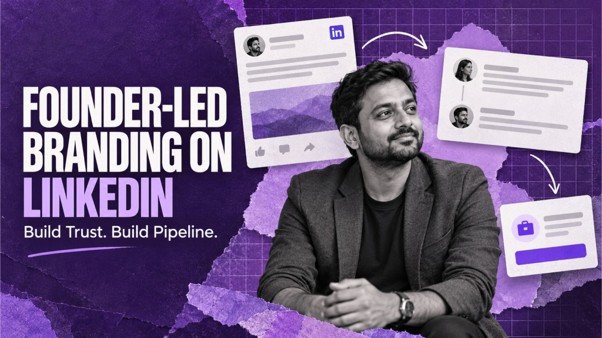
Founder-Led Branding on LinkedIn: How Founders Build Trust and Pipeline
People buy from people, especially in B2B and service businesses. Before a prospect books a call, they often look up the founder. They want to know who is behind the company, what they believe and whether they can be trusted. Founder-led branding uses this reality on purpose: the founder becomes a visible, credible voice that builds trust for the whole business.
LinkedIn is the most natural platform for this in India’s B2B and startup ecosystem. This guide explains why founder-led branding works, how to set up your profile, what to post, how to build a sustainable routine and how to connect visibility to real business results.
What Is Founder-Led Branding?
Founder-led branding means the founder’s personal presence, ideas and story are a deliberate part of the company’s marketing. Instead of relying only on a logo and company page, the brand gains a human face.
It is not about becoming an influencer or posting motivational quotes. It is about consistently sharing useful expertise, honest experiences and a clear point of view with the people your business wants to reach.
Founder Brand vs Company Brand
| Company brand | Founder brand | |
| Voice | “We” | “I” |
| Strength | Stability, scale, process | Trust, opinions, relatability |
| Typical reach on LinkedIn | Often lower organic reach for company pages | Personal profiles often get more engagement |
| Risk | Can feel impersonal | Depends on one person; needs alignment with company brand |
The best approach uses both. The founder builds trust and attention; the company brand provides proof, services and structure.
Why Founder-Led Branding Works
1. Trust transfers. Prospects who trust the founder are more likely to trust the company.
2. Shorter sales cycles. Prospects arrive already familiar with your thinking.
3. Differentiation. Competitors can copy services, but not your experiences and opinions.
4. Talent attraction. Good candidates want to work with founders they respect.
5. Investor and partner visibility. Consistent public thinking signals clarity.
6. Owned relationships. Your network becomes a long-term asset that travels with you.
Step 1: Optimise Your LinkedIn Profile
Your profile is your landing page. Before posting, make sure it converts visitors into followers, conversations and enquiries. Our post on 7 easy steps to LinkedIn success covers the basics; here is the founder-specific checklist.
Profile Photo and Banner
• A clear, friendly, well-lit headshot.
• A banner that states what your company does and for whom, with a simple call to action.
Headline
Avoid “Founder & CEO at X” alone. Explain who you help and how. Example: “Founder, VisionaryCue | Helping founder-led brands grow with one connected system for brand, website and growth.”
About Section
Structure it as:
1. Who you help and the problem you solve.
2. Your story and why you started.
3. Proof: experience, results you can share honestly, notable work.
4. What you post about.
5. How to contact you or your company.
Featured Section
Pin your best assets: a company page, a case study, a popular post, a talk or a lead magnet.
Experience
Describe your company with clear outcomes and services, not just a job title.
Step 2: Define Your Content Pillars
Content pillars are three to five themes you consistently post about. They should sit where your expertise, your audience’s needs and your business goals overlap.
Example pillars for a branding and growth agency founder:
1. Brand building lessons for founder-led companies.
2. Marketing systems that connect strategy, website and ads.
3. Behind the scenes of building an agency and ecosystem of brands.
4. Customer stories (with permission) and lessons learned.
5. Industry opinions on AI, search and advertising changes.
Pillars keep your content focused and make your expertise memorable.
Step 3: Choose Post Formats That Work
LinkedIn supports many formats. Mix them according to your strengths:
| Format | Best for | Tip |
| Text posts | Opinions, stories, lessons | Strong first two lines; short paragraphs |
| Document (carousel) posts | Frameworks, checklists, step-by-step guides | One idea per slide; clear title slide |
| Short videos | Personality, explanations, behind-the-scenes | Add captions; get to the point fast |
| Images | Event moments, team, product | Pair with a story, not just a caption |
| Polls | Starting conversations | Follow up with a post analysing results |
| Newsletters | Deeper thinking, regular readers | Publish on a predictable schedule |
| Comments | Building relationships | Thoughtful comments on others’ posts build visibility |
Step 4: Write Posts People Actually Read
Use a Strong Hook
The first one or two lines decide whether people click “see more”. Effective hooks:
• A specific lesson: “We lost our biggest client in 2024. Here’s what it taught us about reporting.”
• A clear opinion: “Most startups don’t need a rebrand. They need a positioning statement.”
• A useful promise: “The 5-question test we use before approving any website copy.”
Tell Stories With Lessons
Stories make expertise memorable. A simple structure: situation, challenge, what you did, what happened, what others can learn. Our article on storytelling in digital branding explains why stories turn attention into connection.
Be Specific
Specific details build credibility: real numbers you can share, named tools, exact steps and honest mistakes. Avoid vague advice like “consistency is key” without showing how.
Write Like You Speak
Short sentences, clear words, line breaks for readability. Your posts should sound like you in a good conversation.
End With a Purpose
Not every post needs a sales pitch. Some end with a question, some with a resource, a few with a soft invitation to talk.
Step 5: Build a Sustainable Weekly Routine
Consistency matters more than volume. A realistic routine for a busy founder:
| Day | Activity | Time |
| Monday | Capture ideas from the past week (calls, wins, questions) | 15 minutes |
| Tuesday | Publish post 1 (lesson or framework) | 20 minutes |
| Wednesday | Comment on 10 relevant posts from clients, peers and prospects | 20 minutes |
| Thursday | Publish post 2 (story or opinion) | 20 minutes |
| Friday | Reply to comments and DMs; note follow-ups | 20 minutes |
Two quality posts a week plus regular commenting is enough for most founders to build momentum.
Working With a Team or Ghostwriter
Many founders work with a content team or ghostwriter. This can work well if:
• The ideas, opinions and stories come from the founder.
• The writer captures the founder’s real voice through interviews and notes.
• The founder reviews and approves every post.
• Replies to comments come from the founder personally.
Authenticity is the asset. If the voice feels outsourced, trust drops. VisionaryCue’s brand communication work includes voice guides that help teams write in a founder’s style.
Step 6: Turn Visibility Into Pipeline
Visibility alone does not pay bills. Connect your founder brand to business outcomes:
• Clear profile call to action: a link to book a call or view services.
• Engage with prospects’ content before reaching out.
• Personal, non-salesy DMs that reference something specific.
• Lead magnets: checklists, templates or audits offered in posts.
• Newsletters that keep warm audiences engaged.
• Repurposing: turn top posts into blog articles, reels, email content and talks. See how to create and distribute great marketing content.
• Digital PR: podcasts, panels and media quotes amplify the founder brand further. Our digital PR guide explains how.
30 Founder Post Ideas to Get Started
If you are unsure what to post, use these prompts:
1. The biggest mistake you made in your first year.
2. Why you started the company.
3. A framework you use in client work.
4. A myth in your industry you disagree with.
5. A lesson from a lost deal.
6. How you hire for a key role.
7. A day in the life of your team.
8. A checklist your customers find useful.
9. What you learned from a customer complaint.
10. A trend you think is overhyped.
11. A trend you think is underrated.
12. How your process works, step by step.
13. A before-and-after transformation (with permission).
14. A book or idea that changed your thinking.
15. A tool your team cannot work without.
16. What you would do differently if you started again.
17. A question customers ask every week, answered.
18. A milestone and what it took to reach it.
19. A behind-the-scenes look at a project.
20. Advice for founders at an earlier stage.
21. How you price your services and why.
22. A difficult decision you made recently.
23. What a great client relationship looks like.
24. A myth about your city’s startup ecosystem.
25. An industry change and what it means for customers.
26. A team member’s achievement.
27. How you measure success.
28. A failed experiment and what you learned.
29. A prediction for your industry next year.
30. Thanks to a mentor, partner or customer, with a lesson attached.
Step 7: Measure What Matters
Track a few useful signals monthly:
• Profile views and follower growth from your target audience.
• Engagement from relevant people (not just total likes).
• Inbound DMs and connection requests from prospects.
• Website visits from LinkedIn (use UTM links).
• Enquiries where prospects mention your posts.
• Partnerships, speaking invitations and hiring interest.
Ask new leads, “Where did you first hear about us?” The answer often reveals how much founder content contributes.
Illustrative Example: From Silent Expert to Trusted Voice
Imagine an illustrative founder of a Noida-based IT services firm who has 15 years of experience but almost no LinkedIn activity. Over six months, he:
• Rewrites his headline and About section around helping mid-sized manufacturers modernise their systems.
• Posts twice a week: one practical lesson from projects, one story from building the company.
• Comments on posts from manufacturing leaders and industry associations.
• Turns his best posts into a monthly newsletter.
His posts start generating conversations with operations heads, and two of these lead to discovery calls in the following quarter. Results like this vary widely, but the pattern is common: consistent, specific expertise turns into trust over time.
Common Founder Branding Mistakes
1. Posting only company announcements. People follow people, not press releases.
2. Copying viral formats that do not fit your audience or voice.
3. Being inconsistent, posting heavily for a month then disappearing.
4. Chasing likes over relevance. A small engaged audience of buyers beats a large audience of peers.
5. Over-sharing without purpose. Personal stories should connect to a lesson.
6. Hard selling in every post, which reduces trust and reach.
7. Ignoring comments, which is where relationships start.
8. Misalignment with the company brand, sending mixed messages.
Conclusion
Founder-led branding works because trust is personal. By optimising your LinkedIn profile, choosing focused content pillars, using formats that suit your strengths, writing specific and story-led posts, building a sustainable routine and connecting visibility to clear next steps, founders can turn their expertise into an engine for trust and pipeline.
Start small. Two thoughtful posts a week and genuine engagement, sustained for months, will outperform bursts of activity.
Want help building your founder brand? VisionaryCue helps founders define their positioning, voice and content system as part of a wider brand strategy. Get in touch to discuss your goals.
Frequently Asked Questions
What is founder-led branding?
Founder-led branding is a strategy where the founder’s personal voice, story and expertise become a visible part of the company’s marketing. Through platforms like LinkedIn, the founder shares useful insights and experiences, building trust that benefits the company’s reputation, lead generation, hiring and partnerships.
Why is LinkedIn good for founder personal branding?
LinkedIn is where many decision-makers, investors, partners and professionals spend time, especially in B2B. Personal profiles often get stronger engagement than company pages, and the platform supports text posts, documents, video and newsletters, making it suitable for sharing expertise and building professional relationships.
How often should a founder post on LinkedIn?
Two to three quality posts a week is a sustainable target for most founders, supported by regular commenting on relevant posts. Consistency over months matters more than frequency. It is better to post twice a week for a year than every day for a month and then stop.
What should founders post about on LinkedIn?
Founders should post about lessons from building the business, practical frameworks from their expertise, customer stories shared with permission, opinions on industry changes, behind-the-scenes moments and mistakes they learned from. Choose three to five content pillars that connect your expertise with your audience’s problems.
Can a ghostwriter manage a founder’s LinkedIn?
Yes, if the ideas and stories come from the founder and the writer captures their real voice. The founder should review every post and personally reply to comments and messages. Fully outsourced content without founder input usually sounds generic and can damage trust rather than build it.
Does founder branding actually generate leads?
It can, especially for B2B, services and high-trust purchases. Founder content builds familiarity, so prospects arrive warmer and sales conversations move faster. Results depend on consistency, relevance to buyers and clear next steps such as profile links, newsletters and personal follow-ups. Results are not guaranteed and vary by market.
How long does it take to build a founder brand on LinkedIn?
Most founders start seeing meaningful engagement within three to six months of consistent posting and commenting, and stronger business results after six to twelve months. The timeline depends on network size, niche, content quality and how actively the founder engages with others.
Should founders post personal stories on LinkedIn?
Personal stories can be powerful when they connect to a lesson relevant to your audience. Share experiences that reveal values, decisions or insights, not private details for their own sake. Always consider privacy for family, employees and clients, and get permission before sharing stories that involve others.
How do I measure the success of founder-led branding?
Track profile views and follower growth from your target audience, engagement from relevant people, inbound messages, website traffic from LinkedIn using UTM links, and enquiries that mention your content. Ask new leads where they first heard about you to understand the influence of founder content.
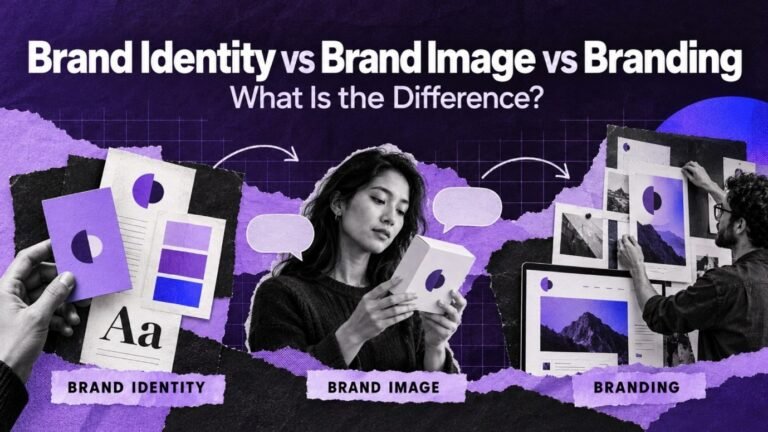
What is the difference between a founder brand and a company brand?
A founder brand is personal, built on the founder’s voice, opinions and story. A company brand represents the business as a whole, its services, values and identity. They work best together: the founder builds trust and attention, while the company brand provides structure, proof and continuity beyond one person.